

Exterior Stone Foundation Repointing in Newburyport, Ipswich & Amesbury: Why Mortar Choice Matters
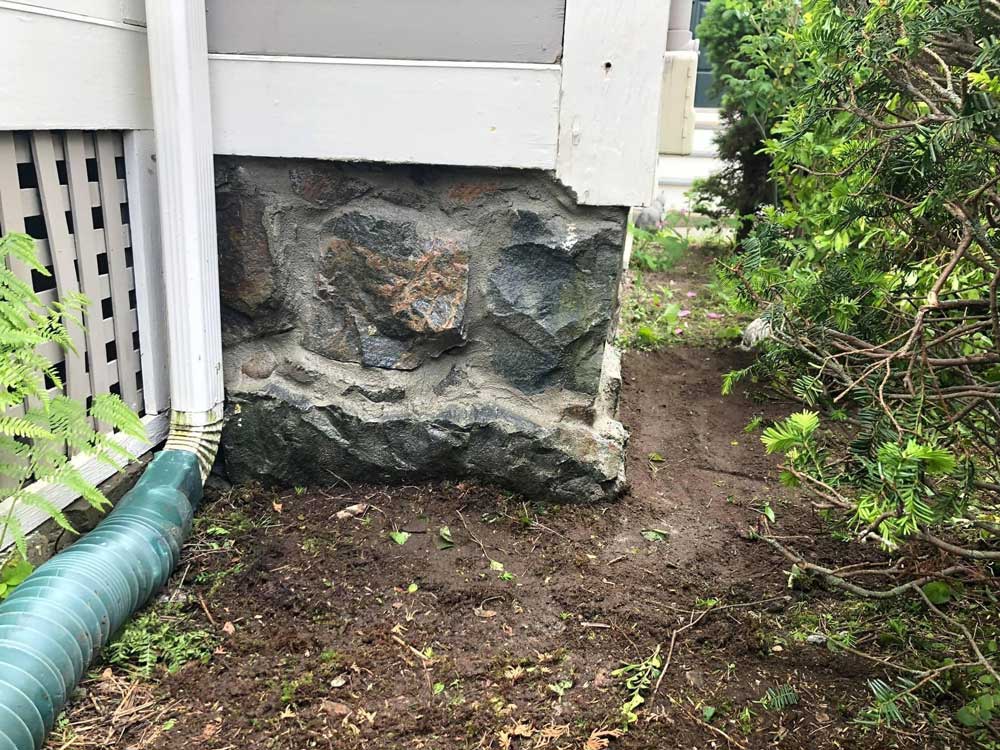
Stone foundations in Newburyport, Ipswich, and Amesbury were built to last centuries, and many of them have. But lasting a long time does not mean lasting without attention. The mortar that holds those stones together is a sacrificial material by design, meant to absorb stress, moisture, and movement so the stones themselves do not crack. When that mortar breaks down, repointing becomes essential. And when it comes to stone foundation repointing in Newburyport, MA and the surrounding coastal communities, the mortar you choose can mean the difference between a repair that lasts decades and one that causes serious structural damage within just a few years.
Why Stone Foundations in Coastal Massachusetts Need Special Attention
The coastal environment of northeastern Massachusetts is particularly hard on masonry. Communities like Newburyport, Ipswich, and Amesbury sit in a climate zone that delivers everything from harsh nor’easters and heavy rain to freeze-thaw cycles that can happen dozens of times each winter. Salt air drifts inland from the Atlantic and deposits itself on stone and mortar alike, accelerating the breakdown of certain materials. This is why coastal stone foundation maintenance is not just about aesthetics. It is about protecting the structural integrity of a building that may have been standing since the 1700s or 1800s.
Historic stone foundations in this region were typically laid using lime-based mortars, which were softer and more flexible than modern portland cement. This softness was intentional. Older foundations were built to flex slightly with seasonal ground movement, and a soft mortar allowed that movement to happen without fracturing the stone. When water enters a joint and freezes, it expands. A rigid mortar cannot accommodate that expansion and will eventually crack, letting more water in and accelerating the cycle of damage. Lime mortar, on the other hand, flexes and then slowly self-heals over time through a process called carbonation. Understanding this principle is the foundation, so to speak, of every good exterior stone foundation repair decision in Ipswich, MA and its neighboring towns.
The Problem with Using Portland Cement on Historic Stone Foundations
One of the most common and costly mistakes made during stone foundation repointing is the use of modern portland cement mortar. Portland cement became widely available in the late nineteenth and early twentieth centuries, and it quickly became a go-to material for masons because of its strength and fast cure time. For new concrete construction, it performs beautifully. For historic stone foundations, it can be catastrophic.
The issue is compressive strength. Portland cement mortar is significantly harder than the stones found in most colonial-era foundations in the Newburyport and Ipswich areas. When ground movement, temperature fluctuation, or water pressure exerts force on the foundation, something has to give. In a properly repointed historic foundation, the mortar gives, not the stone. When portland cement is used, the mortar is harder than the stone, so the stone gives instead. This leads to spalling, cracking, and long-term structural compromise that is far more expensive to correct than the original repointing would have been.
Repointing historic stone foundations requires a mortar that is softer than the stone, vapor-permeable, and compatible with the original materials. Lime mortar repointing in Massachusetts has experienced a well-deserved resurgence among preservation-focused masons who understand that matching the original material is not just a historical nicety. It is a structural necessity.
How to Choose the Right Mortar for Your Foundation
Selecting the correct mortar for stone foundation repointing begins with understanding what you have. Not all lime mortars are the same, and not all stone foundations are the same. A mason experienced in historic masonry will typically take a sample of the existing mortar and have it analyzed, or at least examine it carefully to determine its composition and strength. The goal is to match the new mortar as closely as possible to the original in terms of hardness, porosity, and color.
There are several lime mortar options available today. Natural hydraulic lime, often referred to as NHL, sets through a combination of carbonation and a mild hydraulic reaction with water. It is available in different strengths and is well-suited to the wet conditions common in coastal New England. Putty lime mortar is another option, offering exceptional flexibility and vapor permeability. For most exterior stone foundation repair work in Ipswich, MA and surrounding towns, a natural hydraulic lime formulated for below-grade or damp conditions is often the right choice.
The aggregate used in the mortar mix also matters considerably. Sharp sand with a specific grain size will produce a mortar with a texture that closely matches historic mixes. Using the wrong aggregate can result in a mortar that looks out of place and performs differently than intended. A skilled mason does not simply mix lime with whatever sand is on hand. The entire mix is considered carefully as part of a system that must work together over the long term.
What the Repointing Process Actually Involves
Proper stone foundation repointing is a labor-intensive process, and that labor is what you are paying for when you hire an experienced mason. The first step is removing the old, failing mortar to a sufficient depth, typically at least three quarters of an inch and often deeper if the mortar has failed significantly further back in the joint. This removal must be done carefully to avoid damaging the stone faces. Power tools can be used on wide joints, but narrow or irregular joints in rubble stone foundations often require hand tools to avoid creating additional damage.
Once the joints are cleaned and prepared, they are dampened before new mortar is applied. This is important because dry stone and mortar will pull moisture out of the fresh lime mix too quickly, weakening the bond and the cured mortar. The new mortar is then packed into the joint in layers rather than all at once, with each layer allowed to firm up before the next is applied. This layering approach prevents shrinkage cracking and ensures the mortar is well consolidated throughout the depth of the joint.
Curing lime mortar properly is also critical. Unlike portland cement, which gains strength rapidly through a chemical reaction, lime mortar cures slowly through carbonation. It needs to be kept damp for several days after application, especially in warm or windy conditions, and it should not be applied when freezing temperatures are expected within a few days. For coastal stone foundation maintenance projects in Newburyport and Amesbury, late spring through early fall is generally the ideal window for repointing work.
Finding a Qualified Mason for Historic Stone Foundation Work
Not every mason who offers repointing services has experience with historic stone foundations. In a region like Newburyport, Ipswich, and Amesbury, where a significant portion of the housing stock predates the Civil War, finding a mason who understands lime mortar and historic masonry principles is worth the extra effort. Ask potential contractors whether they have experience with lime mortar repointing in Massachusetts specifically. Ask what mortar mix they intend to use and why. A knowledgeable mason will welcome those questions and provide clear, confident answers.
It is also worth checking whether your home falls within a historic district. Many neighborhoods in Newburyport and Ipswich have local historic commissions that may require specific materials or review proposed work before it begins. Using the wrong mortar on a historically regulated property can result in fines and mandatory corrective work, compounding both cost and disruption.
Conclusion
Stone foundation repointing in Newburyport, MA and across the wider North Shore region is not a task to approach casually or cheaply. The foundations beneath these homes have served their owners for generations, and with the right care, they can continue to do so. Mortar choice is the single most important variable in any exterior stone foundation repair project, and choosing lime mortar that is compatible with the original construction is essential for long-term performance. Whether your property is in Ipswich, Amesbury, or Newburyport, coastal stone foundation maintenance done correctly will protect your investment and preserve the character of a home built to endure. Take the time to find a mason who understands the history and science behind this work, and your foundation will be stronger for it.
Need Foundation Repair Services Near You?
Here at Done Right Services, we take pride in being your trusted experts for fieldstone foundation repair across Massachusetts and New Hampshire. With decades of experience, our skilled professionals specialize in repair, re-pointing, restoration, and waterproofing to protect and enhance the integrity of your foundation. Our commitment to excellence is backed by a 30-year guarantee, ensuring you experience unmatched quality and peace of mind. Don’t wait—reach out to us today to discuss your foundation needs and discover why we’re the team you can count on for competence, excellence, and absolute satisfaction. Let us help you get the job done right!