

Stone Foundation Repair for Historic Homes in Boston & Cambridge: What Old Foundations Really Need
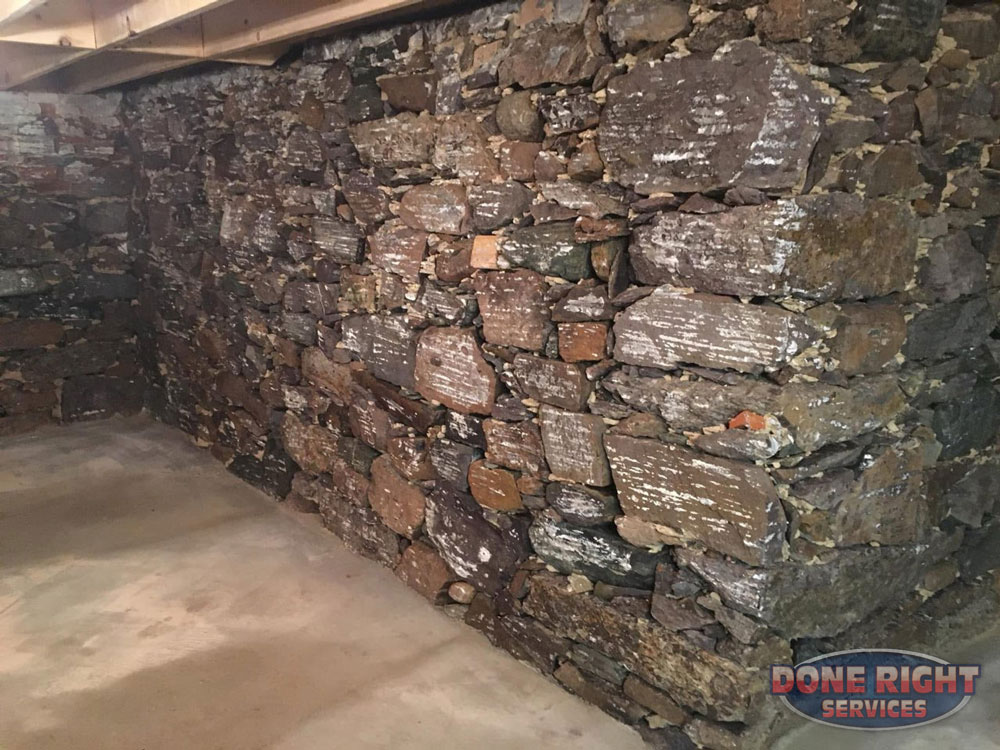
Boston and Cambridge are home to some of the most architecturally significant residential properties in the United States. From colonial-era saltboxes to Victorian brownstones, these neighborhoods carry centuries of history in their very bones, and those bones almost always include a stone foundation. If you own one of these older homes, you already know that maintaining it requires a different kind of thinking than modern construction does. When something goes wrong below grade, you cannot simply apply a modern fix and call it done. Stone foundation repair in Boston, MA requires a deep understanding of how these structures were originally built, why they behave the way they do, and what interventions will actually preserve them for future generations rather than accelerate their decline.
Understanding How Old Stone Foundations Were Built
To repair something properly, you first have to understand how it was made. Most historic homes in Boston and Cambridge sit on fieldstone foundations, which were constructed using stones gathered from the surrounding landscape, often without any formal engineering plan. Builders in the 17th, 18th, and 19th centuries relied on thick walls, gravity, and lime-based mortars to hold everything together. These foundations were never meant to be waterproof in the modern sense; they were designed to breathe, meaning moisture could pass through the walls and evaporate rather than becoming trapped inside.
This is a critical point that many homeowners and even some contractors overlook. Fieldstone foundation specialists in Boston understand that the original lime mortar was intentionally softer than the stone itself. When stress or movement occurred, the mortar would absorb the damage and crack rather than allowing the stone to break. This built-in flexibility is what allowed many of these foundations to survive for well over a century without catastrophic failure. The problems usually start when well-meaning but uninformed repairs introduce modern Portland cement into the equation, which is far harder than the surrounding stone and mortar. Instead of distributing stress, Portland cement concentrates it, leading to cracked stones, spalled surfaces, and long-term structural damage that is far more expensive to fix than the original problem.
The Most Common Problems Found in Historic Stone Foundations
Over time, even the best-built stone foundation will show signs of wear. In Boston and Cambridge specifically, the combination of harsh winters, freeze-thaw cycles, and the region’s naturally high water table creates a particularly demanding environment for these old structures. Knowing what to look for is the first step toward protecting your investment.
Mortar deterioration is by far the most common issue. As lime mortar ages, it eventually erodes and crumbles away from between the stones, leaving open joints that allow water, insects, and cold air to penetrate the wall. Left unaddressed, this leads to larger structural concerns as the stones begin to shift and settle without adequate support between them. Repointing stone foundations in Massachusetts is one of the most common and effective maintenance procedures available to historic homeowners, provided it is done with the right materials.
Horizontal cracking along mortar joints often signals lateral pressure from the surrounding soil, particularly when water saturation increases the weight of the earth pressing against the foundation wall. Stair-step cracking, which follows the mortar joints in a diagonal pattern, typically indicates differential settlement, meaning one section of the foundation is sinking faster than another. Bowing or bulging walls are a more serious concern and can indicate that the internal structure of the wall has begun to fail, with stones no longer properly interlocked and bearing load correctly. Stone foundation crack repair in Boston needs to address not just the visible crack but also the underlying cause, whether that is drainage failure, erosion, or structural compromise.
Why Historic Home Foundation Repair Requires Specialized Knowledge
Not every foundation contractor is qualified to work on a 200-year-old fieldstone wall, and choosing the wrong one can create more damage than the original problem. Historic home foundation repair is a specialty that sits at the intersection of structural engineering, masonry craftsmanship, and preservation science. The materials, methods, and even the tools used must be carefully matched to the original construction if the repair is to be both effective and sympathetic to the building’s character.
One of the most important principles in historic masonry repair is the concept of compatibility. Any material introduced into a historic structure must be compatible with the original materials in terms of hardness, porosity, and coefficient of thermal expansion. A repointing mix that is too rigid will transfer stress directly into the surrounding stone, causing spalling and surface loss that is essentially irreversible. A mix that is too soft may not provide adequate structural support. Getting this balance right requires experience with historic materials and, in many cases, laboratory testing of original mortar samples to determine the appropriate formulation for repairs.
Preservation standards set forth by the Secretary of the Interior provide a widely accepted framework for this kind of work, and knowledgeable contractors in Boston and Cambridge will be familiar with these guidelines. If your property is listed on the National Register of Historic Places or falls within a local historic district, there may also be review requirements before major foundation work can begin, making it even more important to work with professionals who understand the regulatory landscape.
What a Proper Stone Foundation Repair Process Looks Like
When you hire qualified fieldstone foundation specialists in Boston, the process should begin with a thorough assessment of the existing conditions. This typically involves a visual inspection of the interior and exterior of the foundation, documentation of cracks and areas of deterioration, evaluation of drainage patterns around the perimeter of the building, and a review of any previous repair history that may be available.
From there, a qualified contractor will develop a scope of work that prioritizes the underlying causes of the problem rather than just the visible symptoms. Drainage improvements are often a central component of this work, since water management is the single most important factor in the long-term performance of any stone foundation. Interior drainage systems, exterior waterproofing membranes designed for historic masonry, and grading corrections around the building perimeter can all play a role depending on the specific conditions present.
Repointing, when needed, should be done in lifts, removing deteriorated mortar to a depth of at least three-quarters of an inch before applying new material. The new mortar should be mixed and applied by hand using traditional techniques, and the finished joints should match the original profile as closely as possible. Structural repairs to cracked or displaced stones require careful dismantling, cleaning, and reassembly with appropriate mortar, sometimes supplemented by discreet mechanical connectors when the structural situation demands it.
Protecting Your Investment for the Long Term
Owning a historic home in Boston or Cambridge is a privilege that comes with real responsibility. These properties are irreplaceable pieces of the built environment, and the foundation is quite literally what they stand on. A proactive approach to maintenance is always less expensive than emergency repairs, and it preserves the authenticity and value of the structure far more effectively than reactive patching.
Annual inspections of the foundation interior and exterior can catch problems early, before minor mortar erosion becomes a wall failure. Keeping gutters clean and downspouts directed well away from the foundation reduces water loading significantly. Maintaining positive drainage away from the building, avoiding the introduction of impermeable materials like concrete pavers directly against the foundation, and ensuring that basement ventilation is adequate all contribute to a healthier foundation environment.
Conclusion
Stone foundation repair in Boston, MA is not a one-size-fits-all service. The historic homes of Boston and Cambridge deserve care that respects their age, their construction logic, and their place in the cultural landscape of New England. Whether you are facing mortar deterioration that calls for repointing stone foundations in Massachusetts or dealing with more serious structural concerns that require comprehensive historic home foundation repair, working with experienced fieldstone foundation specialists in Boston is the most reliable path to a lasting solution. The foundation underneath your historic home has already survived for generations; with the right care, it can survive for many more.
Need Foundation Repair Services Near You?
Here at Done Right Services, we take pride in being your trusted experts for fieldstone foundation repair across Massachusetts and New Hampshire. With decades of experience, our skilled professionals specialize in repair, re-pointing, restoration, and waterproofing to protect and enhance the integrity of your foundation. Our commitment to excellence is backed by a 30-year guarantee, ensuring you experience unmatched quality and peace of mind. Don’t wait—reach out to us today to discuss your foundation needs and discover why we’re the team you can count on for competence, excellence, and absolute satisfaction. Let us help you get the job done right!