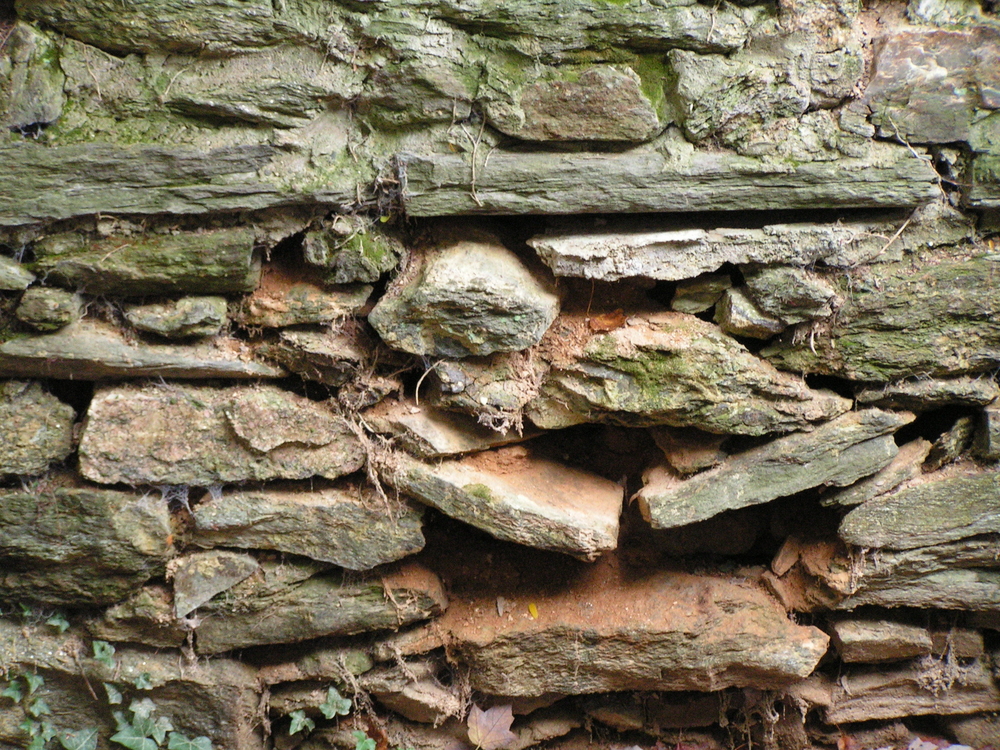
Fieldstone foundations were the go-to solution for builders throughout New England for centuries, and many of these structures are still doing their job today. However, when they start to fail, the fieldstone foundation crack repair process looks nothing like what you would do with a modern concrete foundation.
Understanding the difference between stone foundation repair and concrete foundation repair is essential for any homeowner dealing with a failing or deteriorating base.
What Makes Fieldstone Foundations Unique
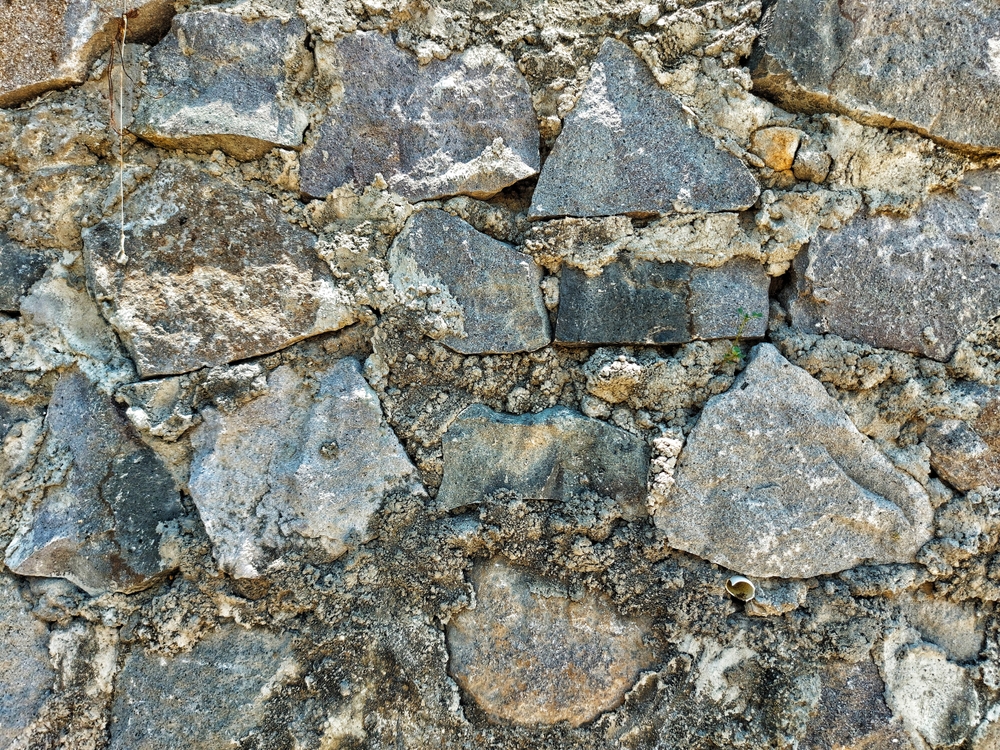
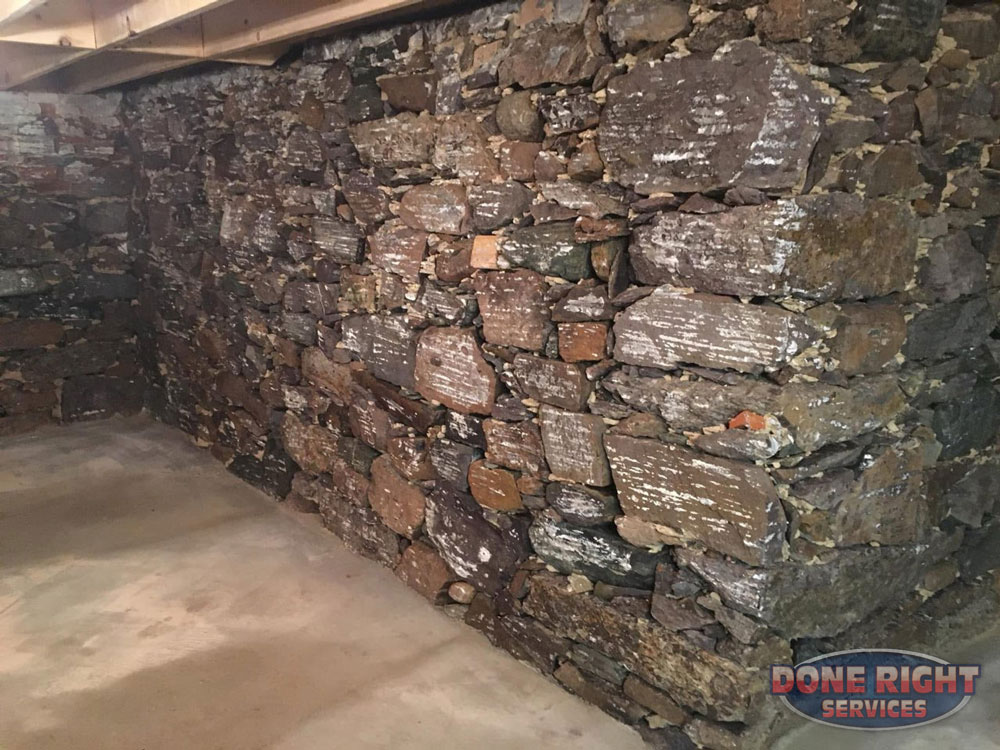
Fieldstone foundations were constructed using naturally occurring rocks gathered from the surrounding land, held together with lime mortar rather than the Portland cement mortars used in modern construction. In towns like Arlington, MA and Belmont, MA, many homes dating back to the 1800s and early 1900s were built on these stacked stone systems. The stones themselves vary in size, shape, and composition, which means no two fieldstone foundations are identical.
This variability is exactly what makes fieldstone foundation repair so specialized. Unlike a poured concrete wall, which is a uniform material with predictable behavior, a fieldstone foundation is essentially a dry-stacked or loosely mortared puzzle. Each stone carries load differently, and the mortar joints between them are often the first point of failure. When lime mortar breaks down over time, it does not just create a cosmetic problem. It compromises the structural integrity of the entire wall, allowing water infiltration, shifting, and eventually collapse if left unaddressed.
Fieldstone specialists in Massachusetts understand that working with these foundations requires knowledge of historic masonry techniques. Rushing in with modern materials can actually accelerate deterioration rather than fix it.
The Core Differences Between Stone and Concrete Foundation Repair
When comparing stone vs concrete foundation repair, the differences begin with the diagnostic process and extend all the way through the materials used and the methods applied.
Concrete foundations typically fail in predictable ways: horizontal cracking from soil pressure, vertical cracking from settling, or spalling from freeze-thaw cycles. Repairs often involve epoxy injection, carbon fiber straps, wall anchors, or full section replacement with new poured concrete. These are relatively standardized approaches that most foundation contractors are trained to handle.
Fieldstone foundation repair in Belmont, MA and Arlington, MA is a different discipline entirely. The diagnostic phase involves evaluating the condition of individual stones, the state of the mortar joints, the degree of bowing or leaning in the wall, and how water is interacting with the structure. A fieldstone wall that appears stable on the surface may have significant internal voids or deteriorated mortar that is invisible without a thorough inspection.
Repointing is one of the most common and critical repairs for fieldstone foundations. This process involves removing the old, failed mortar and replacing it with a new mortar mix that is compatible with the original material. Here is where many well-intentioned contractors go wrong: using Portland cement-based mortar on a fieldstone foundation can trap moisture inside the wall, causing the stones themselves to crack and spall over time. Historic foundation repair in Massachusetts requires the use of lime-based mortars that are softer and more flexible than the stones, allowing moisture to move through the mortar rather than through the rock.
Structural stabilization of a fieldstone wall may also require pinning loose stones, adding interior support systems, or in more severe cases, partial or full reconstruction of a wall section using the original stones. This is painstaking work that demands experience with historic masonry rather than standard construction practices.
Why Location Matters: Arlington and Belmont Soil Conditions
The towns of Arlington, MA and Belmont, MA share similar geological characteristics that directly affect the condition of stone foundations in the area. Both towns sit on a mix of glacial till, clay deposits, and ledge, which creates variable drainage conditions from one property to the next. Poor drainage is one of the leading causes of fieldstone foundation failure because water that collects against the foundation wall repeatedly freezes and thaws, pushing mortar out of joints and gradually destabilizing the stones.
In neighborhoods with older housing stock, particularly those close to wetlands, ponds, or areas with high water tables, the stress on fieldstone foundations is compounded over decades. A stone foundation repair project in these areas often needs to address not just the foundation itself but also the drainage conditions around the perimeter of the house. Grading, drain tile systems, and waterproofing membranes may all be part of a comprehensive repair plan.
Because fieldstone foundations in Arlington and Belmont were built during an era when below-grade waterproofing was not standard practice, many of them allow some level of moisture into the basement. Managing that moisture through proper ventilation, interior drainage, and appropriate mortar selection is a key part of maintaining a healthy fieldstone foundation over the long term.
Choosing the Right Contractor for Historic Foundation Repair in Massachusetts
Not every foundation contractor is qualified to work on fieldstone foundations. This is one of the most important things homeowners in Arlington, MA and Belmont, MA need to understand before hiring someone to assess or repair their stone foundation. The techniques and materials involved in historic foundation repair are distinct from those used in standard residential foundation work, and applying the wrong approach can result in damage that is more expensive to fix than the original problem.
When searching for fieldstone specialists in Massachusetts, homeowners should look for contractors with specific experience in historic masonry. Relevant questions to ask include: Have they worked on fieldstone foundations in the local area before? Do they understand the difference between lime mortar and Portland cement, and can they explain why that difference matters? Are they familiar with the Massachusetts Historic Commission guidelines for repairs to historic structures? Can they provide references from similar projects in Arlington or Belmont?
It is also worth noting that some fieldstone foundation repairs may qualify for preservation grants or tax incentives if the home is listed on the state or local historic register. A knowledgeable contractor can help identify whether those programs apply and how to document the work appropriately.
Getting multiple estimates is always advisable, but the lowest bid is rarely the right choice when it comes to stone foundation repair. Cutting corners with incompatible materials or rushed installation will lead to recurring problems that cost more in the long run. Investing in a contractor who understands the nuances of fieldstone foundation repair in Belmont, MA and Arlington, MA is the most cost-effective decision a homeowner can make.
Conclusion
Stone foundation repair and concrete foundation repair are not interchangeable disciplines. Fieldstone foundations in Arlington, MA and Belmont, MA represent an important part of the region’s architectural history, and they require a careful, materials-appropriate approach to repair and preservation. Homeowners who understand the distinction between stone vs concrete foundation repair, and who seek out qualified fieldstone specialists in Massachusetts, are in a much stronger position to protect their homes for generations to come. Historic foundation repair done right is an investment in both structural integrity and the long-term value of your property.
Need Foundation Repair Services Near You?
Here at Done Right Services, we take pride in being your trusted experts for fieldstone foundation repair across Massachusetts and New Hampshire. With decades of experience, our skilled professionals specialize in repair, re-pointing, restoration, and waterproofing to protect and enhance the integrity of your foundation. Our commitment to excellence is backed by a 30-year guarantee, ensuring you experience unmatched quality and peace of mind. Don’t wait—reach out to us today to discuss your foundation needs and discover why we’re the team you can count on for competence, excellence, and absolute satisfaction. Let us help you get the job done right!
If you own an older home in Burlington, MA or Tewksbury, MA, chances are your house is sitting on a stone foundation that has been quietly enduring decades of harsh New England winters. These foundations, often built from fieldstone or granite more than a century ago, were constructed with remarkable craftsmanship. However, even the most solid masonry is no match for the relentless punishment of a Massachusetts winter.
Understanding how freeze thaw cycles and cold-weather moisture affect your foundation is the first step toward protecting one of your home’s most critical structural elements.
What Makes New England Winters So Damaging to Stone Foundations
New England winters are notoriously brutal, and Burlington and Tewksbury sit squarely in a climate zone where temperatures regularly swing from below freezing at night to above freezing during the day. This back-and-forth temperature cycle is the primary culprit behind foundation damage in the region.
Water is the real enemy here. When moisture from rain, snowmelt, or groundwater seeps into the small gaps between stones or into the mortar joints of a stone foundation, it sits there quietly. Once temperatures drop, that water freezes and expands by roughly nine percent in volume. That expansion exerts tremendous pressure on the surrounding material, forcing cracks wider, loosening mortar, and shifting stones out of place. When temperatures rise again, the ice melts, the pressure releases, and water seeps even deeper into the now-larger cracks. Then the cycle repeats.
In a single Massachusetts winter, Burlington and Tewksbury homeowners may experience dozens of these freeze thaw cycles. Over the course of several winters, the cumulative damage to a stone foundation can become severe. What starts as a hairline crack in the mortar can evolve into a full-blown structural problem that threatens the stability of the entire home.
Recognizing the Signs of Foundation Damage After Winter
One of the most important things a homeowner can do in the spring is inspect their stone foundation for signs of winter-related damage. In Burlington, MA and Tewksbury, MA, it is common to discover new cracks or worsening existing ones after the ground thaws in late March or April.
There are several warning signs to watch for when assessing your foundation after winter. Cracked or crumbling mortar between stones is one of the earliest indicators that freeze thaw cycles have been at work. You might also notice stones that appear to have shifted or bowed outward, which signals that lateral pressure from frozen soil or water has pushed against the foundation wall. Efflorescence, the white powdery residue that forms on stone or masonry surfaces, is another clue that water has been moving through your foundation.
In older homes across Tewksbury and Burlington, fieldstone crack repair is often needed after just one or two particularly cold winters. Interior signs matter just as much as exterior ones. Water stains on basement walls, damp floors, musty odors, and visible mold growth all suggest that your stone foundation is allowing water infiltration at a level that requires attention. Left unaddressed, this moisture can damage structural wood framing, insulation, and finished living spaces.
Why Older Fieldstone Foundations Are Especially Vulnerable
Most of the stone foundations found in Burlington, MA and Tewksbury, MA date back to the 1800s or early 1900s. These structures were built using fieldstone, which is essentially rounded or irregular stone gathered from local land and assembled without the precision of modern masonry. The mortar used in these original constructions was typically a lime-based mixture, which was softer and more flexible than modern Portland cement-based mortars.
Over time, that original lime mortar has naturally degraded. Even without severe freeze thaw damage, mortar has a lifespan, and in New England’s climate, it wears down faster than in milder regions. When mortar deteriorates, it creates pathways for water to enter the foundation, which then accelerates the freeze thaw damage cycle dramatically.
This is why stone foundation repair in Massachusetts often involves a process called repointing, where the old, degraded mortar is carefully removed and replaced with new mortar that matches the original material’s flexibility. Using the wrong type of mortar during repairs can actually cause more harm than good. If a contractor uses a mortar that is too rigid for a fieldstone foundation, it can cause the stones themselves to crack under the pressure that the mortar would otherwise absorb. Choosing experienced professionals who understand the specific demands of New England masonry is essential for homeowners in Burlington and Tewksbury.
Foundation Maintenance Strategies to Survive Massachusetts Winters
Prevention and proactive maintenance are far less costly than major repairs. There are several foundation maintenance strategies that homeowners in Burlington, MA and Tewksbury, MA should prioritize heading into and coming out of each winter season.
Drainage is arguably the single most important factor. Water that pools near your foundation dramatically increases the risk of freeze thaw damage. Making sure your gutters and downspouts direct water at least six feet away from the foundation is a basic but highly effective step. Grading the soil around your home so that it slopes away from the foundation prevents surface water from draining toward the structure.
Inspecting and sealing visible cracks before winter arrives is another critical step. Small cracks that are addressed in the fall have far less opportunity to worsen during the winter months. A masonry professional can assess whether minor cracks require simple repointing or whether they indicate more significant structural movement that warrants a deeper investigation.
Controlling moisture inside the basement also plays a role in protecting your stone foundation. Running a dehumidifier during humid months reduces the amount of moisture present in the air and in the surrounding soil, which in turn reduces the amount of water available to seep into the foundation during freeze thaw cycles.
Homeowners in Tewksbury and Burlington should also consider having their foundations inspected by a qualified professional every few years, particularly if the home is more than 75 years old. Early detection of mortar degradation, stone displacement, or water infiltration points allows for fieldstone crack repair and other interventions before problems escalate to structural emergencies.
Waterproofing treatments applied to the exterior or interior of the foundation wall can also provide an added layer of protection. While no waterproofing solution is permanent, modern products have improved significantly and can extend the life of a stone foundation by limiting how much water reaches the masonry during winter precipitation and spring snowmelt.
Choosing the Right Contractor for Stone Foundation Repair in Burlington and Tewksbury
Not all masonry contractors are equally equipped to handle the complexities of historic stone foundation repair in New England. In Burlington, MA and Tewksbury, MA, where many homes are over a century old, it is important to hire a contractor with specific experience in working with fieldstone and lime mortar systems.
Ask potential contractors about their approach to mortar matching, their experience with foundation drainage solutions, and whether they are familiar with the freeze thaw dynamics specific to Massachusetts. References from other homeowners in the Burlington or Tewksbury area are particularly valuable because local contractors will have direct experience with the soil conditions, frost depths, and weather patterns unique to the region.
A thorough contractor will assess not just the visible damage but also the underlying causes, looking at drainage patterns, soil conditions, and interior moisture levels before recommending a course of action.
Conclusion
New England winters are relentless, and stone foundations in Burlington, MA and Tewksbury, MA bear the brunt of that reality every year. Freeze thaw cycles, aging mortar, and water infiltration combine to create ongoing challenges for homeowners with older fieldstone structures. With consistent foundation maintenance, timely fieldstone crack repair, and the help of a knowledgeable contractor, you can protect your home’s foundation from the worst that Massachusetts winters have to offer.
Need Foundation Repair Services Near You?
Here at Done Right Services, we take pride in being your trusted experts for fieldstone foundation repair across Massachusetts and New Hampshire. With decades of experience, our skilled professionals specialize in repair, re-pointing, restoration, and waterproofing to protect and enhance the integrity of your foundation. Our commitment to excellence is backed by a 30-year guarantee, ensuring you experience unmatched quality and peace of mind. Don’t wait—reach out to us today to discuss your foundation needs and discover why we’re the team you can count on for competence, excellence, and absolute satisfaction. Let us help you get the job done right!
Walk through neighborhoods in Newton or Brookline and you will see beautiful historic homes that have stood for more than a century. Thick stone walls, original woodwork, and classic New England architecture give these properties undeniable character. Yet beneath that charm often lies a fieldstone foundation that has endured decades of moisture, freeze-thaw cycles, and natural settling.
For homeowners between 35 and 70, whether you are purchasing an older home, preparing to sell, or simply maintaining a property you have owned for years, foundation health should never be an afterthought. Stone foundations behave differently than modern poured concrete, and warning signs of damage are often subtle at first. Understanding the signs of stone foundation damage can help you determine whether it is time for professional stone foundation repair in Newton, MA, or Brookline, MA.
Stone Foundation Repair specializes in historic and fieldstone foundations. Their diagnostic expertise and honest repair assessments help homeowners avoid both unnecessary work and dangerous neglect. Most importantly, their focus is on long-term structural solutions rather than surface patchwork that only masks deeper problems.
Why Stone Foundations in Newton and Brookline Require Special Attention
Unlike modern foundations made of uniform concrete, older fieldstone foundations were built using irregular stones held together with mortar. These foundations were crafted with incredible durability in mind, but they were not built with modern waterproofing systems or drainage standards.
In Massachusetts, seasonal weather adds stress. Freeze-thaw cycles expand moisture trapped in mortar joints. Heavy rainfall increases hydrostatic pressure around foundation walls. Over time, mortar deteriorates, stones shift, and cracks begin to appear.
Because fieldstone walls are inherently uneven, small issues can be difficult to interpret without professional experience. What looks like a minor crack may signal deeper movement. What appears to be cosmetic mortar erosion could actually be a structural concern.
A thorough fieldstone foundation inspection in Massachusetts is often the first step in determining whether repairs are necessary. Stone Foundation Repair approaches inspections with a specialized understanding of historic construction methods, ensuring accurate diagnosis rather than guesswork.
Visible Cracks and Mortar Deterioration
One of the most obvious signs of stone foundation damage is cracking. However, not all cracks are equal. Hairline cracks within mortar joints may reflect normal aging. Larger gaps between stones, especially those that widen over time, may indicate movement or pressure from surrounding soil.
In Newton and Brookline, older homes often show signs of mortar erosion. When mortar begins to crumble or fall out, the stability of the stone wall can weaken. Loose stones may shift slightly, allowing moisture to penetrate more easily.
Foundation crack repair in a fieldstone structure requires a different approach than repairing concrete. Simply applying modern sealants or patch materials can trap moisture and accelerate damage. Stone Foundation Repair focuses on appropriate repointing methods and compatible materials that preserve both strength and breathability.
If you notice crumbling mortar, widening cracks, or stones that appear misaligned, it is wise to seek an expert evaluation rather than waiting for more serious structural issues to develop.
Moisture Intrusion and Basement Dampness
Another common warning sign involves water. Persistent dampness, musty odors, or visible efflorescence on basement walls may indicate moisture migration through the stone foundation.
Fieldstone is naturally porous. When mortar joints deteriorate or cracks form, water can seep into the basement. Over time, this moisture can lead to mold growth, wood rot in floor joists, and interior air quality issues.
Homeowners preparing for resale should pay particular attention to moisture concerns. Buyers and inspectors frequently flag damp basements during property evaluations. Addressing foundation crack repair and waterproofing concerns proactively can protect property value and streamline the sales process.
Stone Foundation Repair integrates moisture control with structural repair. Rather than applying temporary coatings that mask symptoms, they evaluate drainage conditions, mortar integrity, and crack patterns to provide comprehensive solutions.
Bowing Walls or Structural Movement
While some signs are cosmetic, others indicate more serious structural movement. Bowing walls, bulging sections, or significant horizontal cracks may suggest that the foundation is under pressure from soil expansion or hydrostatic forces.
In older homes, long-term settlement can also create uneven floors or sticking doors and windows. While these symptoms may have multiple causes, they often trace back to foundation movement.
A professional fieldstone foundation inspection in Massachusetts is essential when structural changes are suspected. Experienced specialists can distinguish between normal historic settling and active structural shifting.
Stone Foundation Repair emphasizes honest repair assessments. If a foundation is stable and requires only minor maintenance, they communicate that clearly. If structural reinforcement is necessary, they recommend solutions designed for durability and long-term stability.
Preparing for Purchase or Resale
If you are buying or selling a historic home in Newton or Brookline, foundation health should be a priority. Real estate agents and home inspectors often recommend further evaluation when stone foundations show visible wear.
For buyers, investing in a detailed fieldstone foundation inspection in Massachusetts can prevent unexpected repair costs after closing. For sellers, addressing signs of stone foundation damage before listing can enhance buyer confidence and reduce negotiation hurdles.
Stone Foundation Repair works with homeowners, agents, and inspectors to provide transparent assessments. Their specialization in stone foundation repair in Newton Brookline, MA, ensures that recommendations are tailored to historic construction rather than generic concrete repair methods.
Long-term structural solutions add value to a property. Surface patchwork, on the other hand, may temporarily improve appearance but often fails under Massachusetts weather conditions. Buyers today are increasingly aware of the importance of proper foundation repair and seek documentation of professional work.
The Importance of Specialized Expertise
Stone foundations are not interchangeable with modern poured foundations. Repair techniques must respect the original materials and construction methods. Using incompatible mortar or sealants can cause additional damage.
Stone Foundation Repair focuses exclusively on historic and fieldstone foundations. Their team understands the nuances of stone movement, mortar composition, and moisture migration patterns unique to Massachusetts homes.
Diagnostic expertise allows them to identify underlying issues rather than simply treating visible symptoms. This approach ensures that foundation crack repair and structural stabilization address root causes.
For homeowners in Newton and Brookline, choosing a specialist rather than a general contractor makes a significant difference. The right repair not only restores stability but also preserves the character and integrity of the home.
When to Take Action
If you notice cracking mortar, shifting stones, dampness, or structural changes, do not ignore them. Early intervention often prevents more extensive and costly repairs later.
Stone foundation repair in Newton, MA, and Brookline, MA, should begin with a thorough evaluation. A detailed fieldstone foundation inspection in Massachusetts can clarify whether the issue is cosmetic aging or structural concern.
Protecting your home’s foundation is not simply about maintaining property value. It is about preserving the safety and longevity of the structure itself. With specialized knowledge, honest assessments, and a commitment to long-term structural solutions, Stone Foundation Repair helps homeowners address foundation concerns with confidence.
Historic homes in Newton and Brookline have stood the test of time. With proper care and expert attention, their stone foundations can continue supporting generations to come.
Boston and Cambridge are home to some of the most architecturally significant residential properties in the United States. From colonial-era saltboxes to Victorian brownstones, these neighborhoods carry centuries of history in their very bones, and those bones almost always include a stone foundation. If you own one of these older homes, you already know that maintaining it requires a different kind of thinking than modern construction does. When something goes wrong below grade, you cannot simply apply a modern fix and call it done. Stone foundation repair in Boston, MA requires a deep understanding of how these structures were originally built, why they behave the way they do, and what interventions will actually preserve them for future generations rather than accelerate their decline.
Understanding How Old Stone Foundations Were Built
To repair something properly, you first have to understand how it was made. Most historic homes in Boston and Cambridge sit on fieldstone foundations, which were constructed using stones gathered from the surrounding landscape, often without any formal engineering plan. Builders in the 17th, 18th, and 19th centuries relied on thick walls, gravity, and lime-based mortars to hold everything together. These foundations were never meant to be waterproof in the modern sense; they were designed to breathe, meaning moisture could pass through the walls and evaporate rather than becoming trapped inside.
This is a critical point that many homeowners and even some contractors overlook. Fieldstone foundation specialists in Boston understand that the original lime mortar was intentionally softer than the stone itself. When stress or movement occurred, the mortar would absorb the damage and crack rather than allowing the stone to break. This built-in flexibility is what allowed many of these foundations to survive for well over a century without catastrophic failure. The problems usually start when well-meaning but uninformed repairs introduce modern Portland cement into the equation, which is far harder than the surrounding stone and mortar. Instead of distributing stress, Portland cement concentrates it, leading to cracked stones, spalled surfaces, and long-term structural damage that is far more expensive to fix than the original problem.
The Most Common Problems Found in Historic Stone Foundations
Over time, even the best-built stone foundation will show signs of wear. In Boston and Cambridge specifically, the combination of harsh winters, freeze-thaw cycles, and the region’s naturally high water table creates a particularly demanding environment for these old structures. Knowing what to look for is the first step toward protecting your investment.
Mortar deterioration is by far the most common issue. As lime mortar ages, it eventually erodes and crumbles away from between the stones, leaving open joints that allow water, insects, and cold air to penetrate the wall. Left unaddressed, this leads to larger structural concerns as the stones begin to shift and settle without adequate support between them. Repointing stone foundations in Massachusetts is one of the most common and effective maintenance procedures available to historic homeowners, provided it is done with the right materials.
Horizontal cracking along mortar joints often signals lateral pressure from the surrounding soil, particularly when water saturation increases the weight of the earth pressing against the foundation wall. Stair-step cracking, which follows the mortar joints in a diagonal pattern, typically indicates differential settlement, meaning one section of the foundation is sinking faster than another. Bowing or bulging walls are a more serious concern and can indicate that the internal structure of the wall has begun to fail, with stones no longer properly interlocked and bearing load correctly. Stone foundation crack repair in Boston needs to address not just the visible crack but also the underlying cause, whether that is drainage failure, erosion, or structural compromise.
Why Historic Home Foundation Repair Requires Specialized Knowledge
Not every foundation contractor is qualified to work on a 200-year-old fieldstone wall, and choosing the wrong one can create more damage than the original problem. Historic home foundation repair is a specialty that sits at the intersection of structural engineering, masonry craftsmanship, and preservation science. The materials, methods, and even the tools used must be carefully matched to the original construction if the repair is to be both effective and sympathetic to the building’s character.
One of the most important principles in historic masonry repair is the concept of compatibility. Any material introduced into a historic structure must be compatible with the original materials in terms of hardness, porosity, and coefficient of thermal expansion. A repointing mix that is too rigid will transfer stress directly into the surrounding stone, causing spalling and surface loss that is essentially irreversible. A mix that is too soft may not provide adequate structural support. Getting this balance right requires experience with historic materials and, in many cases, laboratory testing of original mortar samples to determine the appropriate formulation for repairs.
Preservation standards set forth by the Secretary of the Interior provide a widely accepted framework for this kind of work, and knowledgeable contractors in Boston and Cambridge will be familiar with these guidelines. If your property is listed on the National Register of Historic Places or falls within a local historic district, there may also be review requirements before major foundation work can begin, making it even more important to work with professionals who understand the regulatory landscape.
What a Proper Stone Foundation Repair Process Looks Like
When you hire qualified fieldstone foundation specialists in Boston, the process should begin with a thorough assessment of the existing conditions. This typically involves a visual inspection of the interior and exterior of the foundation, documentation of cracks and areas of deterioration, evaluation of drainage patterns around the perimeter of the building, and a review of any previous repair history that may be available.
From there, a qualified contractor will develop a scope of work that prioritizes the underlying causes of the problem rather than just the visible symptoms. Drainage improvements are often a central component of this work, since water management is the single most important factor in the long-term performance of any stone foundation. Interior drainage systems, exterior waterproofing membranes designed for historic masonry, and grading corrections around the building perimeter can all play a role depending on the specific conditions present.
Repointing, when needed, should be done in lifts, removing deteriorated mortar to a depth of at least three-quarters of an inch before applying new material. The new mortar should be mixed and applied by hand using traditional techniques, and the finished joints should match the original profile as closely as possible. Structural repairs to cracked or displaced stones require careful dismantling, cleaning, and reassembly with appropriate mortar, sometimes supplemented by discreet mechanical connectors when the structural situation demands it.
Protecting Your Investment for the Long Term
Owning a historic home in Boston or Cambridge is a privilege that comes with real responsibility. These properties are irreplaceable pieces of the built environment, and the foundation is quite literally what they stand on. A proactive approach to maintenance is always less expensive than emergency repairs, and it preserves the authenticity and value of the structure far more effectively than reactive patching.
Annual inspections of the foundation interior and exterior can catch problems early, before minor mortar erosion becomes a wall failure. Keeping gutters clean and downspouts directed well away from the foundation reduces water loading significantly. Maintaining positive drainage away from the building, avoiding the introduction of impermeable materials like concrete pavers directly against the foundation, and ensuring that basement ventilation is adequate all contribute to a healthier foundation environment.
Conclusion
Stone foundation repair in Boston, MA is not a one-size-fits-all service. The historic homes of Boston and Cambridge deserve care that respects their age, their construction logic, and their place in the cultural landscape of New England. Whether you are facing mortar deterioration that calls for repointing stone foundations in Massachusetts or dealing with more serious structural concerns that require comprehensive historic home foundation repair, working with experienced fieldstone foundation specialists in Boston is the most reliable path to a lasting solution. The foundation underneath your historic home has already survived for generations; with the right care, it can survive for many more.
Need Foundation Repair Services Near You?
Here at Done Right Services, we take pride in being your trusted experts for fieldstone foundation repair across Massachusetts and New Hampshire. With decades of experience, our skilled professionals specialize in repair, re-pointing, restoration, and waterproofing to protect and enhance the integrity of your foundation. Our commitment to excellence is backed by a 30-year guarantee, ensuring you experience unmatched quality and peace of mind. Don’t wait—reach out to us today to discuss your foundation needs and discover why we’re the team you can count on for competence, excellence, and absolute satisfaction. Let us help you get the job done right!
If you own an older home in Andover, Lexington, or Concord, there is a good chance your house is sitting on a fieldstone foundation. These foundations were built by hand, often using stones pulled directly from the land, and they have held up homes for well over a century in many cases. That kind of durability is impressive, but it does not mean these foundations are invincible. Over time, the mortar crumbles, the stones shift, and water finds its way in. Understanding the most common problems and how professionals address them can save you from a much larger and more expensive headache down the road.
This guide walks through the issues that homeowners across Massachusetts most frequently encounter with their fieldstone foundations, and what proper fieldstone foundation repair actually looks like when done right.
1. Crumbling and Deteriorating Mortar
The mortar holding your fieldstone foundation together is almost always the first thing to go. In older homes, that mortar was often made from lime, sand, and sometimes ash or clay. It was a soft, flexible mix that worked well for its time, but it was never meant to last forever. Decades of freeze-thaw cycles in a Massachusetts winter will crack and erode even the toughest mortar joints.
When mortar starts to crumble, the stones begin to lose their structural connection to one another. What was once a solid wall starts to behave more like a loose pile of rocks. Water infiltration accelerates the damage, and before long, you are looking at sections of wall that are structurally compromised.
The fix for this is called repointing, and it involves carefully removing the deteriorated mortar and packing in new material. The key word here is “carefully.” Many contractors make the mistake of using modern Portland cement-based mortars on fieldstone foundations. Portland cement is much harder than the original lime mortar, and that hardness causes it to crack the stones themselves over time rather than flex with the natural movement of the foundation. A qualified mason working on stone foundation maintenance in Lexington, MA or neighboring towns will always use a lime-based mortar that matches the flexibility of the original construction.
2. Bowing or Leaning Foundation Walls
A fieldstone wall that begins to bow inward or lean is a serious structural warning sign that should never be ignored. This typically happens when soil pressure from outside builds up over time, especially when drainage issues allow water to saturate the ground right up against the foundation. The weight of that saturated soil pushes against the wall, and without proper reinforcement, the wall slowly gives way.
You might notice this as a visible curve in the wall when viewed from inside the basement, or as gaps forming between the foundation and the sill plate above it. In some cases, floors on the first level begin to feel soft or uneven, which is a sign that the foundation below is no longer doing its job properly.
Addressing bowing walls usually requires a combination of excavation on the exterior, drainage correction, and in some cases, the installation of steel reinforcement or carbon fiber straps to stabilize the wall and prevent further movement. This is not a DIY project. A licensed structural engineer should assess the severity before any work begins. Homeowners dealing with fieldstone foundation cracks in Concord, MA have often found that bowing walls were the root cause behind what initially looked like minor surface cracking.
3. Water Infiltration and Moisture Damage
Water is the single biggest enemy of any fieldstone foundation, and it shows up in more ways than most homeowners expect. Sometimes it comes through cracks in the mortar. Other times it seeps through the stones themselves, which are porous by nature. In wet seasons, you might see puddles on the basement floor, efflorescence (the white chalky residue left behind by mineral deposits), or dark staining along the base of the walls.
Chronic moisture in a fieldstone basement creates conditions that are ideal for mold growth, wood rot in the floor joists above, and ongoing deterioration of the foundation itself. Over time, it can undermine the structural integrity of the entire wall system.
Proper waterproofing for a fieldstone foundation is not as simple as painting on a waterproof coating. In fact, applying a rigid waterproof membrane directly to fieldstone can trap moisture inside the wall and make things significantly worse. The correct approach depends on where the water is coming from. Exterior drainage corrections, grading adjustments, and the installation of a drainage mat or French drain system around the perimeter of the foundation are often the most effective long-term solutions. On the interior side, a drainage channel and sump pump system can manage water that does find its way in. A qualified contractor performing a stone foundation inspection in Massachusetts will identify the source of infiltration before recommending any specific repair method.
4. Settlement and Uneven Bearing
Fieldstone foundations were not engineered with the precision of modern concrete systems. The stones were laid by hand, often without footings that extend below the frost line, and the soil conditions beneath them have changed significantly over a century or more of freeze-thaw cycles, tree root activity, and moisture fluctuation. Settlement is a natural result of all of this.
When a fieldstone foundation settles unevenly, parts of the house begin to sag or shift. You might notice sticking doors and windows, cracks in the plaster or drywall inside the home, or visible gaps between the foundation wall and the wooden framing above it. Chimneys can start to separate from the main structure. Floors develop a noticeable slope.
Addressing settlement in a fieldstone foundation often involves underpinning, a process where new support is added beneath the existing foundation to transfer the load to more stable soil. This can be done using helical piers or push piers that are driven deep into the ground to reach bearing soil well below the frost line. In less severe cases, shimming and sistering the floor joists can address the symptoms while the underlying foundation is stabilized. Homeowners seeking fieldstone foundation repair in Andover, MA have found that getting a thorough structural assessment early is the most cost-effective path forward.
5. Stone Displacement and Wall Collapse Risk
Occasionally, individual stones work their way loose from the wall entirely. This can happen because of mortar failure, frost heave, or because the original construction was not particularly well executed to begin with. A loose stone is more than just a cosmetic issue. It weakens the surrounding area and can trigger a cascading failure if left unaddressed.
In the most serious cases, entire sections of a fieldstone wall can collapse, particularly if the foundation has been subjected to years of water damage and neglect. This is an emergency situation that requires immediate intervention to protect the structural integrity of the home above.
Resetting displaced stones involves cleaning the cavity, applying fresh mortar, and carefully repositioning the stone so it bears weight properly and ties into the surrounding wall. This sounds straightforward, but it requires an experienced mason who understands how the load paths in a fieldstone wall actually work. Randomly filling gaps with new stones and fresh mortar without understanding the structure can create new problems rather than solving the old ones.
Conclusion
Fieldstone foundations are a remarkable piece of New England building history, and with proper care, they can continue to do their job for generations to come. The homes of Andover, Lexington, and Concord are filled with these structures, and many of them need attention that has been deferred for too long. Whether you are dealing with crumbling mortar, water in the basement, bowing walls, or signs of settlement, the most important step is getting a qualified professional to perform a thorough stone foundation inspection in Massachusetts before conditions get worse.
Acting early almost always costs less than waiting. If you have noticed any of the warning signs described here, reach out to a local foundation specialist with specific experience in historic stone construction. Your home deserves the right repair done the right way.
Need Foundation Repair Services Near You?
Here at Done Right Services, we take pride in being your trusted experts for fieldstone foundation repair across Massachusetts and New Hampshire. With decades of experience, our skilled professionals specialize in repair, re-pointing, restoration, and waterproofing to protect and enhance the integrity of your foundation. Our commitment to excellence is backed by a 30-year guarantee, ensuring you experience unmatched quality and peace of mind. Don’t wait—reach out to us today to discuss your foundation needs and discover why we’re the team you can count on for competence, excellence, and absolute satisfaction. Let us help you get the job done right!