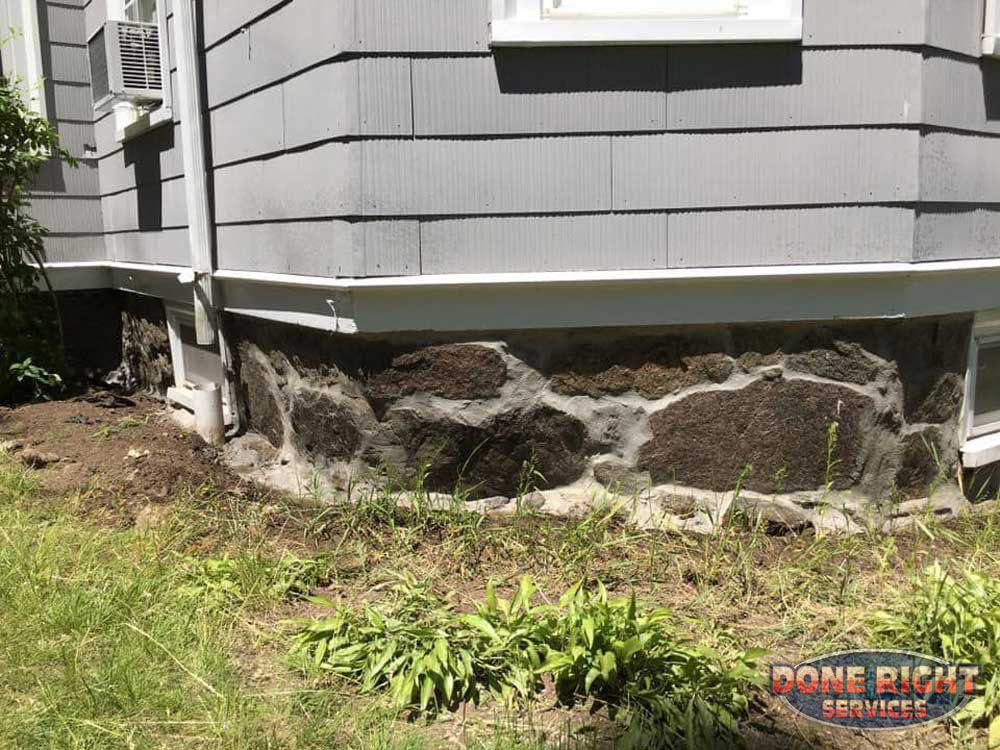
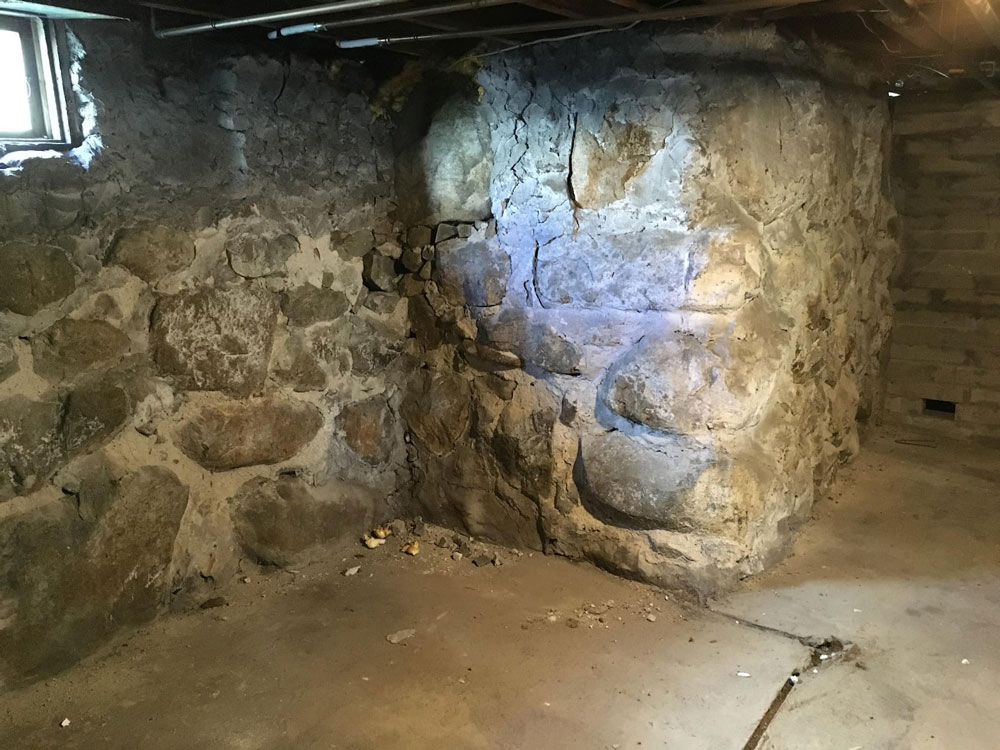
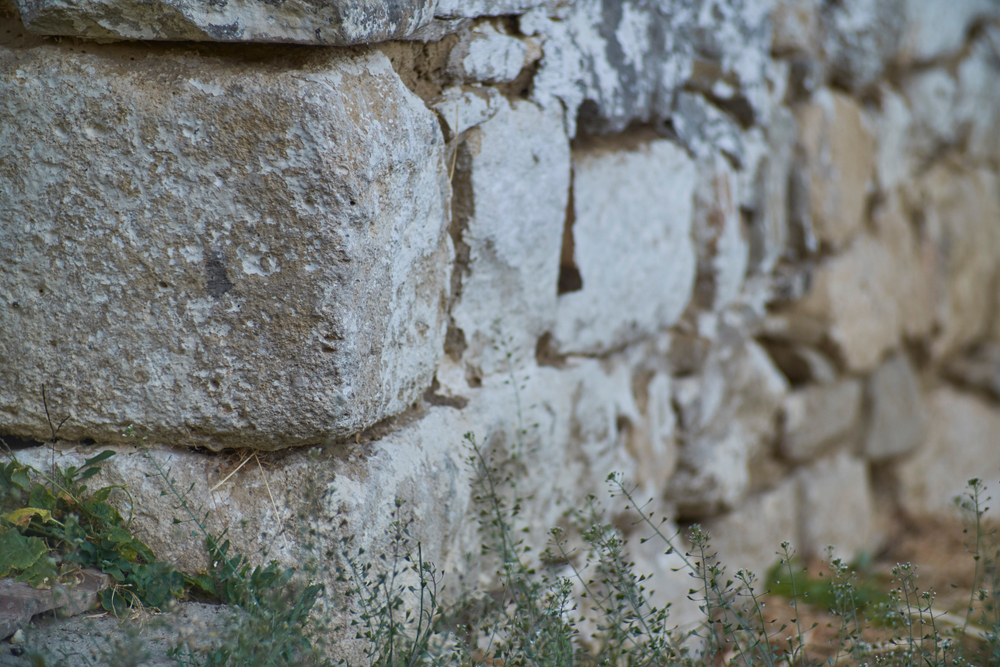
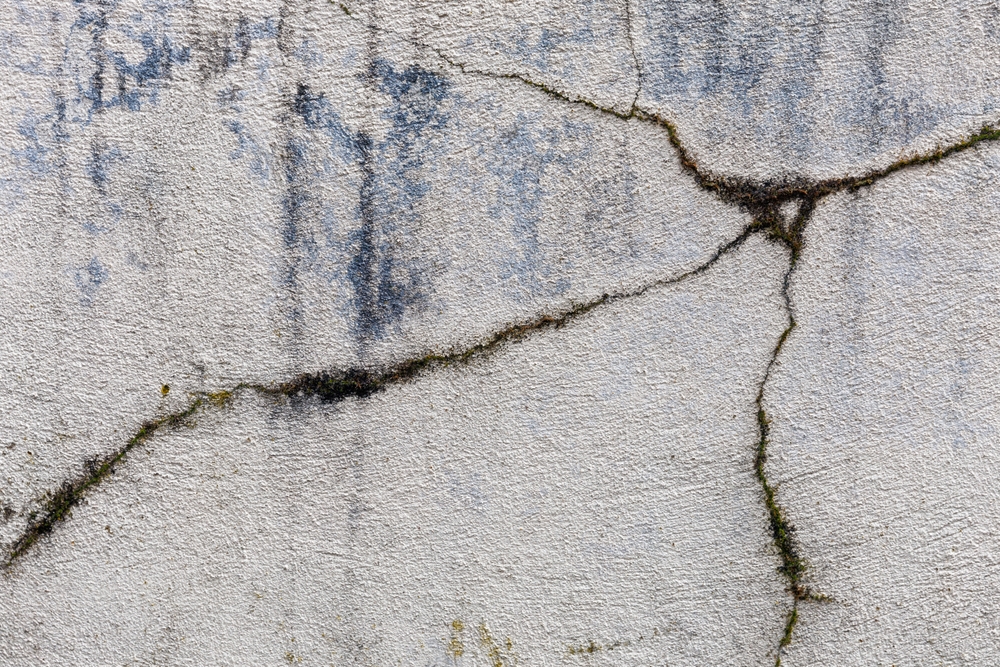
If your home was built before 1950, there is a good chance it sits on a stone foundation. In Worcester and across Central Massachusetts, these older homes are part of the region’s architectural character, but they come with a unique set of maintenance challenges. Stone foundation crack repair is one of the most common and most critical services that homeowners in this area will eventually need. Understanding what causes cracks, why they matter, and how professional stone foundation contractors approach the problem can help you make informed decisions before a small issue becomes a serious structural threat.
Why Stone Foundations in Worcester, MA Crack in the First Place
Stone foundations were built to last, and in many ways they have. But the very conditions that make Central Massachusetts home also work against the longevity of these structures. The freeze-thaw cycle is one of the biggest culprits. Worcester experiences cold winters where ground temperatures drop well below freezing, causing moisture in the soil to expand as it turns to ice. That expansion puts enormous lateral pressure on stone foundation walls, and over decades, that repeated stress causes the mortar between stones to crack, crumble, or fall away entirely.
Beyond the seasonal temperature swings, hydrostatic pressure plays a major role. When heavy rain or snowmelt saturates the soil around a foundation, water pushes against the walls with tremendous force. Stone foundations, unlike poured concrete, rely heavily on mortar joints to maintain their integrity, and those joints are especially vulnerable to water intrusion. Poor drainage, clogged gutters, and grading that slopes toward the house all make the problem worse.
Soil settlement is another factor. Over time, the soil beneath and around a foundation shifts. Tree roots, old buried debris, and changes in the water table can all contribute to uneven settling that stresses foundation stones and opens up gaps. For foundation cracks in stone homes, these forces rarely act alone. Usually it is a combination of age, moisture, and ground movement working together over many years.
The Real Risks of Ignoring Foundation Cracks in Stone Homes
Some homeowners see a crack in a basement wall and assume it is simply cosmetic, a normal part of owning an old house. That assumption can be costly. Foundation cracks in stone homes that go unaddressed often grow over time, and what starts as a hairline gap in the mortar can eventually lead to bowing walls, water infiltration, and compromised structural integrity.
Water is perhaps the most immediate concern. Once moisture finds a path through a stone foundation, it will keep coming back, and it tends to widen that path with every passing season. Wet basements lead to mold growth, wood rot in floor joists, and deteriorating air quality throughout the home. For families in Worcester and surrounding communities, these conditions can affect health and significantly reduce property value.
On the structural side, a stone foundation that is losing mortar or has shifting stones is no longer doing its job effectively. The foundation exists to transfer the weight of the house safely into the ground. When that system is compromised, you can see the effects above grade as well, including sticking doors and windows, uneven floors, and cracks in interior walls. Waiting too long to pursue structural stone foundation repair can turn a manageable repair project into a far more extensive and expensive undertaking.
What Professional Stone Foundation Contractors Look For
When experienced professional stone foundation contractors assess a property in Central Massachusetts, they look at the full picture rather than just the visible cracks. A thorough inspection begins on the exterior, examining how water drains away from the home, whether the grading is appropriate, and what condition the gutters and downspouts are in. These external factors directly influence what is happening underground.
Inside the basement, contractors examine the mortar joints for deterioration, look for staining or efflorescence (the white mineral deposits left behind when water evaporates through masonry), and assess whether any stones have shifted out of position. They also evaluate whether the foundation wall is bowing or leaning, which would indicate significant lateral pressure and require more aggressive intervention.
The findings of this inspection guide the repair strategy. Not every cracked stone foundation needs the same solution, and experienced contractors will tailor their approach to the severity of the problem, the age and construction of the foundation, and the long-term goals of the homeowner.
Stone Foundation Crack Repair Methods Used in Massachusetts
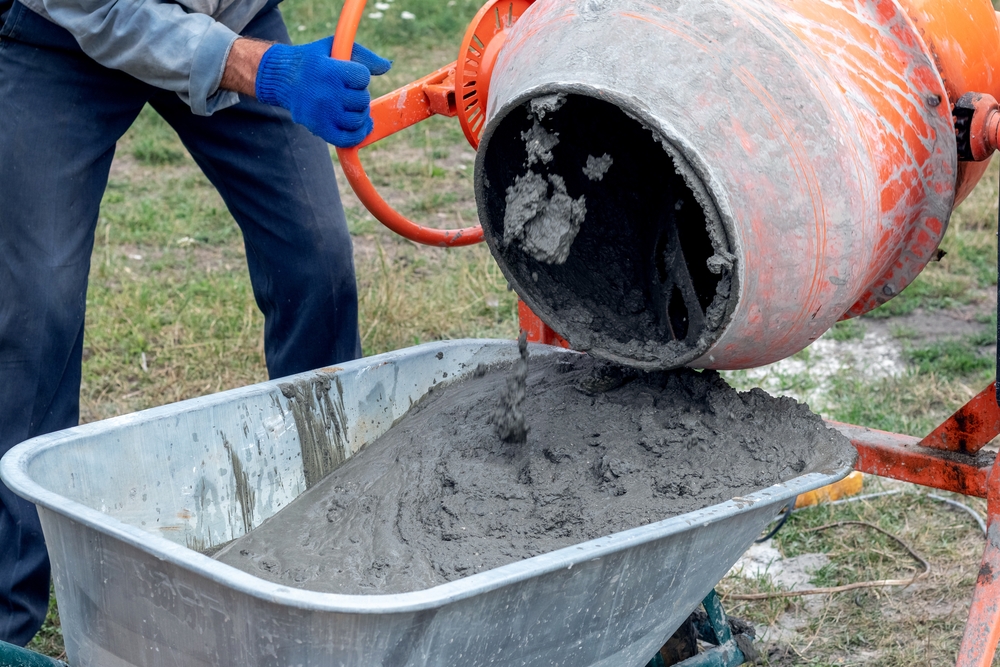
Stone foundation crack repair in Worcester and surrounding areas typically involves a combination of repointing, structural reinforcement, and waterproofing. Repointing, sometimes called tuckpointing, is the process of removing deteriorated mortar from the joints between stones and replacing it with fresh mortar that is properly matched to the strength and flexibility requirements of the existing foundation. Using the wrong type of mortar, particularly modern Portland cement that is too hard and rigid, can actually accelerate damage in older stone foundations, which is why experience and material knowledge matter so much.
For foundations where water infiltration is a primary concern, foundation crack waterproofing in Massachusetts often involves applying hydraulic cement or epoxy injections to seal active cracks, followed by the installation of interior drainage systems or exterior waterproofing membranes. Interior drainage channels and sump pump systems are commonly used in older Worcester homes where exterior excavation is either too costly or too disruptive.
In cases where lateral pressure has caused walls to bow or shift, professional stone foundation contractors may recommend carbon fiber straps, steel I-beam bracing, or wall anchor systems to stabilize the structure and prevent further movement. These solutions are designed to work with the existing foundation rather than replace it entirely, which helps preserve the character of the home while addressing the underlying problem.
Exterior waterproofing, when feasible, involves excavating around the perimeter of the foundation, cleaning and sealing the exterior wall surface, installing a drainage board, and ensuring proper grading and drainage infrastructure before backfilling. While more involved and more expensive upfront, exterior waterproofing addresses the source of moisture rather than just managing it once it enters.
Choosing the Right Contractor for Structural Stone Foundation Repair
Not every foundation repair contractor has the specialized knowledge required to work on historic stone foundations. This type of work requires an understanding of masonry materials, old construction methods, and the specific environmental challenges that come with Central Massachusetts winters and wet springs. When evaluating professional stone foundation contractors in Worcester, homeowners should look for documented experience with stone and rubble foundations, not just poured concrete or block.
It is also worth asking about the materials the contractor plans to use, particularly the mortar mix. A reputable contractor will be able to explain why their material choices are appropriate for your specific foundation and will not simply default to the most convenient or cheapest option. References from similar projects, proper licensing, and familiarity with local building codes are all important considerations as well.
Getting more than one assessment is a reasonable approach, especially for larger or more complex repairs. Different contractors may identify the same core problems but propose different solutions, and understanding those differences helps you make a more confident decision. Structural stone foundation repair is a long-term investment in the safety and value of your home, and it deserves careful vetting.
Conclusion
Stone foundations are a defining feature of countless older homes throughout Worcester and Central Massachusetts, and with proper care they can continue to do their job for generations to come. But foundation cracks in stone homes are not something to watch and wait on indefinitely. The combination of harsh winters, significant rainfall, and aging mortar creates conditions where small problems can escalate quickly. Whether you are dealing with minor mortar deterioration or visible structural movement, reaching out to experienced professional stone foundation contractors is the right first step. From stone foundation crack repair and foundation crack waterproofing in Massachusetts to full structural stabilization, the right team will help you protect your home from the ground up.
Need Foundation Repair Services Near You?
Here at Done Right Services, we take pride in being your trusted experts for fieldstone foundation repair across Massachusetts and New Hampshire. With decades of experience, our skilled professionals specialize in repair, re-pointing, restoration, and waterproofing to protect and enhance the integrity of your foundation. Our commitment to excellence is backed by a 30-year guarantee, ensuring you experience unmatched quality and peace of mind. Don’t wait—reach out to us today to discuss your foundation needs and discover why we’re the team you can count on for competence, excellence, and absolute satisfaction. Let us help you get the job done right!
Homeownership in Belmont, MA offers charm, community, and long-term investment, but it also comes with responsibilities. One of the most pressing and often overlooked issues is the appearance of foundation cracks. What might begin as a minor gap in the concrete can rapidly evolve into a serious structural concern, potentially affecting everything from the safety of your home to its market value. This is especially relevant in Belmont, where seasonal shifts, moisture, and aging homes contribute to the likelihood of foundational issues.
Recognizing early warning signs and taking timely action can prevent major headaches in the future. Foundation crack repair in Belmont, MA is not just a cosmetic fix; it’s a crucial step in protecting your property and ensuring long-term stability. Let’s explore how small cracks can turn into big problems, what causes them, and what homeowners in Belmont should know about addressing and preventing them.
The Hidden Dangers of Ignoring Foundation Cracks
A hairline crack in a foundation wall might seem harmless at first glance. However, what starts as a thin separation in the concrete can quickly widen and deepen, especially under the strain of fluctuating New England weather. Belmont experiences cold winters and wet springs, creating cycles of freezing and thawing that place enormous pressure on basement and foundation walls.
When cracks go unattended, water infiltration becomes inevitable. Moisture finds its way through these gaps, leading to interior dampness, mold growth, and even pest infestation. Over time, the structural integrity of your home is compromised, and what could have been a simple foundation crack repair in Belmont, MA turns into a much larger and costlier foundation overhaul.
Beyond physical damage, untreated foundation cracks can negatively impact your property’s value. Home inspections for potential buyers often uncover these issues, reducing buyer confidence or leading to price reductions and longer time on the market. In an area like Belmont, where home values are high and competition is fierce, even a minor crack can deter prospective buyers.
Causes of Foundation Cracks in Belmont Homes
Understanding the root causes of foundation cracks is the first step toward effective prevention and repair. Belmont’s homes are often built on a mix of clay and loamy soils, which are prone to expansion and contraction depending on moisture levels. This shifting soil places inconsistent pressure on concrete foundations, leading to cracking over time.
Another common contributor is poor drainage. When gutters overflow or downspouts direct water toward your home rather than away from it, the soil surrounding the foundation becomes saturated. This excess water can lead to hydrostatic pressure against basement walls, eventually forcing cracks into the structure.
Construction quality and age also play a role. Many of Belmont’s charming homes were built decades ago, at a time when foundation engineering was less advanced. Even well-built homes can suffer from aging materials, concrete shrinkage, and gradual settling.
Lastly, seismic activity and road vibrations, although minimal in Massachusetts, can still contribute to long-term stress on concrete foundations. The cumulative effect of these environmental factors makes it essential to keep a close eye on foundation and basement conditions year-round.
The Process of Professional Foundation Crack Repair in Belmont, MA
When a homeowner discovers a crack in their basement or foundation wall, the best course of action is to call a local expert in foundation crack repair. Belmont has many specialized contractors familiar with the unique soil and weather conditions in the area.
The repair process often begins with a thorough inspection. A professional will assess the size, depth, and location of the crack to determine whether it’s structural or cosmetic. Cosmetic cracks may only require surface patching, while structural cracks may demand more comprehensive solutions, such as epoxy injections or carbon fiber reinforcement.
For concrete foundation repair in Belmont, contractors may also implement polyurethane foam injections. These are particularly effective for sealing active leaks and providing a waterproof barrier. In cases where the foundation has shifted, underpinning or pier installation might be necessary to stabilize the structure.
Basement crack repair in Belmont often includes internal drainage systems and sump pump installations to manage water intrusion. Proper waterproofing and sealing ensure that the same problem doesn’t reoccur, safeguarding your home for years to come.
Homeowners should be aware that DIY solutions often fall short. While epoxy kits and sealants are widely available, they rarely address the underlying issues that cause cracks to form. Only a professional can determine the full scope of the problem and recommend a lasting fix tailored to your home’s specific needs.
Why Foundation Waterproofing Is Crucial in Belmont, MA
Belmont’s variable weather makes foundation waterproofing a necessity, not a luxury. Spring thaws and summer storms can overwhelm a foundation that hasn’t been properly sealed. This is especially problematic in older homes with porous or degraded concrete.
Foundation waterproofing in Belmont, MA typically involves both interior and exterior strategies. Exterior waterproofing may include excavation, membrane application, and drainage system installation to redirect water away from the home. Interior solutions involve applying sealants and coatings to basement walls, installing vapor barriers, and managing humidity levels through dehumidifiers.
These waterproofing measures are not only important for preventing future foundation damage, but also for creating a healthier living environment. Excess moisture in basements can lead to mold growth, musty odors, and poor air quality, which can affect the entire home. Waterproofing enhances your family’s comfort and well-being while preserving your home’s structural integrity.
When combined with timely concrete foundation repair, waterproofing becomes a proactive approach to home maintenance. Instead of reacting to cracks and leaks, homeowners can take control and invest in long-term protection.
Choosing the Right Contractor for Foundation Repair in Belmont, MA
Finding a trustworthy contractor is essential when dealing with something as foundational as your home’s structure. Look for licensed and insured professionals with a strong local reputation in stone foundation restoration. Experience in Belmont is particularly valuable, as it ensures the contractor understands the specific challenges posed by the town’s soil, weather, and building styles.
Before hiring a company for foundation repair in Belmont, MA, ask about their diagnostic process. Do they offer free inspections? Do they use modern technology to assess subsurface conditions? Transparency in diagnosis and pricing is a good sign of reliability.
References and reviews from other Belmont homeowners can also offer insight into a contractor’s performance. You’ll want a company that not only completes the job effectively but also provides follow-up support and warranties on their work.
Ultimately, fixing a foundation crack is not just about repairing damage; it’s about restoring peace of mind. Homeowners should feel confident that their investment is secure, and that any repairs made will stand the test of time and weather.
Conclusion
A small crack in your basement wall might not seem like an emergency today, but in a town like Belmont, MA, where soil conditions and climate can quickly worsen foundational issues, it’s a concern that should not be ignored. From hairline fractures to serious structural breaches, every foundation crack has a cause and a potential consequence.
By investing in professional foundation crack repair, Belmont homeowners can avoid escalating damage, preserve property value, and ensure their home remains safe and stable. Whether it’s addressing a current issue or taking preventive measures through concrete foundation repair and foundation waterproofing, proactive care is the key to long-term peace of mind.
If you’re noticing signs of distress in your basement walls or foundation, act now. The sooner a problem is addressed, the easier and more affordable the solution. Protect your Belmont home before a small gap becomes a big problem.
Need Foundation Repair Services Near You?
Here at Done Right Services, we take pride in being your trusted experts for fieldstone foundation repair across Massachusetts and New Hampshire. With decades of experience, our skilled professionals specialize in repair, re-pointing, restoration, and waterproofing to protect and enhance the integrity of your foundation. Our commitment to excellence is backed by a 30-year guarantee, ensuring you experience unmatched quality and peace of mind. Don’t wait—reach out to us today to discuss your foundation needs and discover why we’re the team you can count on for competence, excellence, and absolute satisfaction. Let us help you get the job done right!
Amesbury, MA is a town rich with history, where many homes and buildings still sit on old stone foundations built over a century ago. These foundations, often made from fieldstone or similar materials, were constructed with durability in mind. However, time, moisture, soil movement, and New England’s seasonal changes have taken a toll on them. Unlike modern concrete foundations, these older structures were rarely built with comprehensive waterproofing in mind, making them more vulnerable to issues like leaks and shifting.
Stone foundation repair in Amesbury, MA is not just about maintaining the charm of historic properties. It is also about protecting the structural integrity of your home. Left unattended, cracks can widen, water infiltration can increase, and stability can be compromised. The stresses of a Massachusetts winter exacerbate these problems, making timely repairs essential for homeowners.
Understanding how age and natural elements weaken these foundations helps explain why addressing damage before winter is crucial. Once temperatures drop and frost sets into the ground, small cracks and weaknesses can expand dramatically, creating more expensive and invasive problems by spring.
The Impact of Harsh Winters on Stone Foundations
New England winters are notoriously harsh, and Amesbury experiences heavy snowfalls, freezing rain, and extended periods of subzero temperatures. Old foundation repair in Massachusetts is more urgent in places like Amesbury because frost heaves and frozen groundwater create significant stress on stonework. When water seeps into tiny cracks and freezes, it expands, widening the damage. This cycle repeats throughout the winter, causing what was once a small cosmetic issue to turn into a structural concern.
Foundation crack repair in Amesbury becomes particularly pressing before winter. Once the ground freezes, addressing these issues becomes more complicated. Contractors often cannot dig or apply waterproofing effectively, and temporary patching will not withstand months of ice and snow. Homeowners who delay until spring often discover that minor cracks have become extensive fractures that allow large amounts of water into basements.
Another overlooked issue is the way snowmelt and ice accumulation around the foundation can worsen existing leaks. Without proper foundation waterproofing in Amesbury, MA, basements can flood during thaw cycles, creating mold growth and damaging stored belongings. Timely stone foundation repair in Amesbury not only prevents these damages but also ensures that heating costs remain manageable. Cold drafts and dampness seep into the home through weakened foundations, making it harder to maintain comfortable indoor temperatures.
Why Fieldstone Foundations in Amesbury Require Special Attention
Fieldstone foundations, a hallmark of historic Amesbury architecture, require specialized repair techniques. Unlike modern poured concrete, fieldstone structures rely on mortar joints and the careful placement of stones to hold their shape. Over decades, the mortar deteriorates, stones shift, and the foundation loses its ability to resist soil pressure. Fieldstone foundation repair in Amesbury is not a quick patch job. It involves stabilizing loose stones, re-pointing mortar with materials that are compatible with the original construction, and often reinforcing the walls to handle today’s building loads.
Moisture is another significant concern with fieldstone foundations. Because these structures were built before modern drainage systems, they are particularly susceptible to water seepage. Foundation waterproofing in Amesbury, MA for a fieldstone foundation often requires interior or exterior sealing, improved drainage, and sometimes sump pump installations. Without these steps, homeowners risk chronic dampness in basements, which can lead to structural damage and health concerns.
Historic preservation also plays a role. Many homeowners in Amesbury wish to maintain the authentic look of their old foundations while still ensuring they are safe and durable. This balance between aesthetics and function requires experienced masons who understand both the history and the practical needs of old foundation repair in Massachusetts. Acting before winter ensures that repairs can be completed properly without being rushed or compromised by freezing conditions.
The Costs of Delaying Foundation Repairs Until Spring
It is tempting for homeowners to postpone repairs until the weather improves. However, delaying stone foundation repair in Amesbury, MA can have serious financial consequences. What begins as a minor crack repair in the fall can evolve into a major structural project by spring. The constant freeze-thaw cycle of winter accelerates damage, leading to foundation settling, bulging walls, or even partial collapse in extreme cases.
The cost of foundation crack repair in Amesbury is much lower when problems are caught early. Small cracks can be sealed and reinforced before winter moisture makes them worse. If homeowners wait until spring, the same cracks may require extensive excavation, wall rebuilding, and drainage system installation. In some cases, insurance will not cover damage caused by neglect, leaving homeowners fully responsible for repairs.
Delays also put homes at risk of water intrusion and flooding during the winter. Mold remediation and basement water damage repair can cost thousands of dollars on top of foundation work. By investing in timely foundation waterproofing in Amesbury, MA before winter, homeowners avoid the compounding costs of emergency repairs and property damage.
The peace of mind gained from knowing your foundation is secure is another important factor. Winter storms and deep freezes are stressful enough without worrying about water seeping into your basement or the possibility of structural movement. Taking care of foundation repairs before winter ensures your home remains safe, dry, and stable throughout the season.
Protecting Your Home with Timely Foundation Waterproofing and Repairs
Foundation waterproofing in Amesbury, MA is one of the most effective ways to protect your home from winter damage. Waterproofing involves sealing cracks, installing drainage systems, and sometimes applying specialized coatings or membranes to keep water out. When combined with stone or fieldstone foundation repair in Amesbury, this creates a long-term solution that keeps basements dry and foundations strong.
Homeowners should not wait until they see visible water in their basements. By the time leaks are obvious, damage has already occurred. A professional inspection in the fall can identify early signs of trouble, such as hairline cracks, deteriorating mortar, or dampness along foundation walls. Addressing these issues before winter ensures that repairs are completed in favorable conditions, and waterproofing measures can be properly installed.
For those with old foundations in Massachusetts, the need for proactive care cannot be overstated. Many of these homes are part of the region’s history, and preserving them requires attention to detail and timely intervention. Investing in foundation crack repair in Amesbury or full-scale fieldstone foundation repair may feel like a burden, but it is a far more affordable and responsible choice than allowing preventable damage to escalate.
Conclusion
Old foundations are the backbone of many historic homes in Amesbury, MA. While they were built with craftsmanship and strength, time and New England winters take their toll. Stone foundation repair in Amesbury, MA, fieldstone foundation repair in Amesbury, and general old foundation repair in Massachusetts are not just maintenance tasks. They are essential steps in preserving both the safety and the value of your property.
The freeze-thaw cycle, heavy snow, and water intrusion of winter make existing foundation problems worse. Cracks grow, mortar deteriorates, and water damage becomes more severe. By investing in foundation crack repair in Amesbury and foundation waterproofing in Amesbury, MA before the first snow falls, homeowners avoid higher costs, prevent property damage, and maintain the character of their historic homes.
Timely repairs protect more than just the foundation. They safeguard your living space, reduce heating costs, and ensure your home remains structurally sound for years to come. For Amesbury homeowners, the message is clear: act before winter arrives, and your old stone foundation will continue to support your home with strength and stability well into the future.
Need Foundation Repair Services Near You?
Here at Done Right Services, we take pride in being your trusted experts for fieldstone foundation repair across Massachusetts and New Hampshire. With decades of experience, our skilled professionals specialize in repair, re-pointing, restoration, and waterproofing to protect and enhance the integrity of your foundation. Our commitment to excellence is backed by a 30-year guarantee, ensuring you experience unmatched quality and peace of mind. Don’t wait—reach out to us today to discuss your foundation needs and discover why we’re the team you can count on for competence, excellence, and absolute satisfaction. Let us help you get the job done right!
When it comes to maintaining and restoring the integrity of historic homes in Boston, selecting the appropriate mortar for stone foundation repair plays a crucial role. Over the years, many homeowners and contractors have debated the benefits of lime mortar vs cement mortar in the context of preserving older properties. Understanding the differences between these materials and their impact on the structure’s long-term durability is essential for any successful masonry restoration project in Boston. This guide dives deep into the pros, cons, and best practices for stone foundation mortar replacement and offers insight into selecting the best mortar for historic homes.
Lime Mortar vs Cement Mortar
Lime mortar and cement mortar are fundamentally different in composition, properties, and performance, especially when it comes to older structures. Lime mortar, which has been used for centuries, is composed of lime, sand, and water. It creates a softer, more flexible bond that allows historic stone and brick foundations to “breathe” by facilitating moisture evaporation. This property is critical in Boston’s climate, where fluctuating temperatures and humidity levels can create unique challenges for foundation stability.
On the other hand, cement mortar, made from Portland cement, sand, and water, is a much harder and less permeable material. While cement mortar is suitable for modern construction, its rigidity can pose problems for older homes built before the widespread use of Portland cement in the 20th century. Using cement mortar in historic foundation repair can lead to trapped moisture, cracking stones, and even accelerated deterioration of the surrounding masonry.
Choosing between lime mortar vs cement mortar requires a comprehensive understanding of the building’s age, materials, and structural needs. For historic properties in Boston, lime mortar typically provides a safer, longer-lasting solution because it accommodates the natural movement of the foundation while protecting the original materials.
The Role of Mortar in Historic Foundation Repair in Boston
Historic foundation repair involves more than simply filling gaps between stones or bricks—it requires a preservation-focused approach that respects the original materials and craftsmanship. Boston’s historic neighborhoods, such as Beacon Hill, Back Bay, and the North End, are filled with homes dating back to the 18th and 19th centuries. Many of these properties feature stone or brick foundations originally constructed using lime mortar, which plays a critical role in maintaining the overall structural health.
When restoring these foundations, selecting the wrong material can have devastating consequences. Cement-based mortars, while strong, are too rigid for older homes. Instead of absorbing natural shifts in the structure, they transfer stress to the surrounding stones, leading to cracking and eventual failure. By contrast, lime mortar offers flexibility, breathability, and compatibility with the materials used in historic homes.
Stone foundation mortar replacement in Boston requires a detailed inspection of the existing mortar and foundation materials. In many cases, professionals performing masonry restoration in Boston conduct tests to match the composition and color of the original mortar, ensuring a seamless repair that maintains both structural stability and visual authenticity.
Why Lime Mortar is Often the Best Mortar for Historic Homes
For many older Boston properties, lime mortar is considered the best mortar for historic homes due to its ability to balance strength, flexibility, and breathability. Unlike cement mortar, lime mortar allows moisture within the foundation walls to escape, preventing issues like spalling, efflorescence, and frost damage—problems that can be particularly common in Boston’s freezing winters and humid summers.
Additionally, lime mortar contributes to the longevity of historic foundations by working in harmony with the original stone or brick. Rather than forcing the existing materials to conform to a rigid bond, lime mortar acts as a sacrificial element—it absorbs stress and minor movements, preserving the integrity of the stones themselves. This characteristic is especially important in Boston’s older neighborhoods, where many homes were constructed with locally sourced stone and handmade bricks.
Another advantage of lime mortar in stone foundation mortar replacement is its self-healing property. When small cracks form, exposure to air and moisture causes lime to recrystallize and naturally seal the damage over time. This unique feature is absent in cement-based mortars and underscores why lime is highly recommended for masonry restoration in Boston.
Masonry Restoration in Boston: Challenges and Best Practices
Masonry restoration in Boston presents several unique challenges due to the city’s climate, soil conditions, and abundance of historic properties. Choosing between lime mortar vs cement mortar is just one part of the process—understanding the overall structural dynamics is equally important.
Boston’s freeze-thaw cycles are particularly harsh on masonry foundations. Moisture that becomes trapped in a rigid cement mortar joint can freeze, expand, and eventually cause cracking or displacement of the surrounding stones. Lime mortar’s breathability helps mitigate this risk by allowing moisture to evaporate naturally, reducing the likelihood of long-term damage.
Additionally, selecting the right sand and achieving the proper mortar consistency are crucial for successful repairs. Skilled masons specializing in historic foundation repair often blend lime mortars that closely match the texture, strength, and color of the original construction. This attention to detail preserves the building’s aesthetic while ensuring compatibility between old and new materials.
Another critical best practice involves avoiding over-repointing with cement mortar, a common mistake in older Boston homes. Overly rigid repairs can lead to mismatched stress loads, compromising the structural integrity of the foundation. By contrast, using lime mortar maintains balance, allowing the foundation to function as intended while ensuring durability for future generations.
Making the Right Choice for Your Historic Boston Home
Deciding on the best approach for stone foundation mortar replacement requires balancing modern construction techniques with historic preservation principles. While cement mortar has its place in contemporary builds, it is rarely the optimal choice for historic foundation repair in Boston. For homeowners and preservationists committed to maintaining the integrity of their property, lime mortar offers unmatched benefits.
Hiring professionals experienced in masonry restoration in Boston is highly recommended. These experts can evaluate the existing foundation, test the original mortar composition, and recommend solutions tailored to the building’s unique needs. By opting for lime mortar in most cases, homeowners can safeguard their property against moisture damage, structural stress, and premature deterioration, all while preserving the authenticity of their historic home.
In many instances, contractors may choose to blend lime and natural hydraulic lime to achieve the perfect balance between strength and flexibility, particularly for foundations subject to significant load-bearing demands. This approach respects the architectural heritage of Boston while delivering modern durability.
Conclusion
Choosing between lime mortar vs cement mortar is one of the most critical decisions in preserving Boston’s historic homes. While cement mortar offers strength and durability for modern construction, its rigidity and low permeability make it unsuitable for older stone and brick foundations. Lime mortar, on the other hand, provides flexibility, breathability, and compatibility with original materials, making it the preferred option for stone foundation mortar replacement and historic foundation repair.
Boston’s unique climate, historic architecture, and preservation standards demand a thoughtful approach to masonry restoration. By selecting the best mortar for historic homes and working with skilled professionals, homeowners can protect their property’s character, structural stability, and value for decades to come. Whether maintaining a centuries-old brownstone or restoring a Federal-style townhouse, lime mortar remains the ideal choice for keeping Boston’s historic foundations strong and secure.
Need Foundation Repair Services Near You?
Here at Done Right Services, we take pride in being your trusted experts for fieldstone foundation repair across Massachusetts and New Hampshire. With decades of experience, our skilled professionals specialize in repair, re-pointing, restoration, and waterproofing to protect and enhance the integrity of your foundation. Our commitment to excellence is backed by a 30-year guarantee, ensuring you experience unmatched quality and peace of mind. Don’t wait—reach out to us today to discuss your foundation needs and discover why we’re the team you can count on for competence, excellence, and absolute satisfaction. Let us help you get the job done right!
Boston’s charming historic homes are known for their beautiful stone foundations, but these structures also come with their share of challenges. As the weather turns cooler and the fall season settles in, it’s the perfect time for Boston homeowners to pay close attention to potential issues hiding beneath their homes. A stone foundation may appear solid and timeless, but small warning signs can quickly develop into major structural problems if left unaddressed. Recognizing these early can save you from expensive stone foundation repair projects and prevent long-term damage. In this blog, we’ll explore the key signs Boston homeowners should look for, why fall is the best time for inspections, and how to act before minor issues escalate.
Cracks and Shifting Stones: The First Warning Signs
Foundation cracks are among the most obvious indicators that your stone foundation needs immediate attention. Boston homeowners, especially those with older properties, should look for both small hairline cracks and larger gaps between stones. While fine cracks can sometimes seem harmless, they often signal shifting in the foundation caused by soil movement, temperature fluctuations, or water intrusion.
In Boston, seasonal changes from humid summers to freezing winters place significant stress on stone foundations. When water seeps into cracks and freezes, it expands, making the damage worse over time. Homeowners might also notice uneven gaps forming between stones or mortar deterioration, both of which compromise structural integrity. If left unchecked, these seemingly minor foundation cracks can grow into significant stone foundation problems, threatening the safety and value of your home.
Another sign to watch for is a misalignment in door and window frames. If your doors stick or windows no longer open smoothly, your foundation could be shifting, creating stress throughout your home. Identifying these early warning signs in the fall, before Boston’s harsh winter weather sets in, allows you to take proactive steps toward stone foundation repair and stabilization.
Water Intrusion and Basement Damage: Hidden Dangers Below
One of the most common indicators of stone foundation problems is basement water damage. Boston’s climate—with its heavy autumn rains and snowy winters—makes homes particularly vulnerable. Water can infiltrate your foundation through small cracks, damaged mortar joints, or improper drainage around your property. Over time, this leads to mold growth, damp walls, and even structural weakening.
During a fall foundation inspection, homeowners should pay close attention to musty odors, water stains on walls, and signs of efflorescence—a white, powdery substance left behind when water evaporates through stone. Left untreated, these issues can worsen rapidly in winter when freezing temperatures exacerbate moisture expansion, causing more damage to your stone foundation.
Basement water damage doesn’t just compromise your foundation; it can also negatively affect indoor air quality and your family’s health. Mold and mildew thrive in damp conditions, which is why addressing the root cause early is essential. Investing in proper drainage solutions, waterproofing, and timely stone foundation repair can save Boston homeowners thousands in long-term costs.
Why Fall Is the Best Time for Foundation Inspections
Fall is an ideal season for Boston homeowners to focus on preventative foundation maintenance. After the summer’s humidity and before winter’s freezing temperatures arrive, conditions are perfect for a thorough fall foundation inspection. By identifying issues now, you have time to implement necessary repairs before cold weather makes the situation worse.
During fall inspections, professionals evaluate stone foundations for cracking, water infiltration, and mortar deterioration. They also assess whether your drainage systems, gutters, and grading are directing water away from the foundation—an often-overlooked factor contributing to stone foundation problems.
Additionally, fall provides a chance to address minor issues before they escalate into costly Boston foundation repair projects. Proactively sealing cracks, repairing damaged mortar, and installing waterproofing measures can make a significant difference in preventing winter-related structural damage. Boston homeowners who schedule routine fall foundation inspections typically enjoy fewer emergencies and lower repair bills.
The Cost of Ignoring Stone Foundation Problems
Many Boston homeowners delay stone foundation repair, hoping that minor cracks or damp spots will resolve themselves. Unfortunately, this almost always leads to more extensive—and expensive—problems down the road. Ignoring foundation issues can result in basement flooding, significant structural instability, and even compromised safety.
Unaddressed foundation cracks allow water to infiltrate, leading to rot and mold that weaken wood framing and floor joists. Over time, the added strain on your home’s structure can cause walls to bow, floors to slope, and chimneys to lean. When foundation problems reach this level, repairs become far more invasive and costly.
In Boston’s competitive real estate market, unresolved stone foundation problems can also lower your property value. Home inspections often flag foundation issues, forcing sellers to either make repairs upfront or reduce their asking price significantly. For homeowners planning to stay in their properties long-term, addressing stone foundation repair early provides peace of mind and protects your investment for decades.
Choosing the Right Solution for Boston Foundation Repair
When facing stone foundation problems, it’s important to select the right approach and partner with experienced professionals who understand Boston’s historic housing stock. Every foundation is unique, and solutions should be tailored to your home’s age, structure, and environmental conditions.
For minor cracks, repointing the mortar between stones can restore stability and prevent further water intrusion. In cases of more significant damage, advanced techniques such as underpinning, drainage improvements, and waterproofing systems may be necessary. A reputable Boston foundation repair specialist will perform a thorough assessment and recommend the most effective, long-lasting solution for your home.
Equally important is ongoing maintenance. After completing repairs, Boston homeowners should schedule regular inspections, especially following harsh winters or periods of heavy rainfall. Maintaining your foundation year-round ensures small issues are addressed before they turn into costly emergencies.
Conclusion
Boston homeowners know the charm and character that come with owning a historic home, but maintaining a stone foundation requires vigilance and proactive care. From foundation cracks and shifting stones to basement water damage, Boston properties face unique challenges due to the city’s weather and aging housing stock. Fall is the perfect season to schedule a comprehensive fall foundation inspection, catch potential problems early, and invest in timely stone foundation repair.
By acting now, you not only protect your home’s structural integrity but also avoid costly damage and preserve your property’s value. Paying attention to these warning signs ensures that your stone foundation remains strong and secure through Boston’s cold winters and beyond. The key is early detection, consistent maintenance, and working with trusted foundation repair experts who understand the unique demands of Boston homes.
Need Foundation Repair Services Near You?
Here at Done Right Services, we take pride in being your trusted experts for fieldstone foundation repair across Massachusetts and New Hampshire. With decades of experience, our skilled professionals specialize in repair, re-pointing, restoration, and waterproofing to protect and enhance the integrity of your foundation. Our commitment to excellence is backed by a 30-year guarantee, ensuring you experience unmatched quality and peace of mind. Don’t wait—reach out to us today to discuss your foundation needs and discover why we’re the team you can count on for competence, excellence, and absolute satisfaction. Let us help you get the job done right!