

Exterior Stone Foundation Repointing in Danvers, Georgetown & Topsfield: Protecting Historic Homes the Right Way
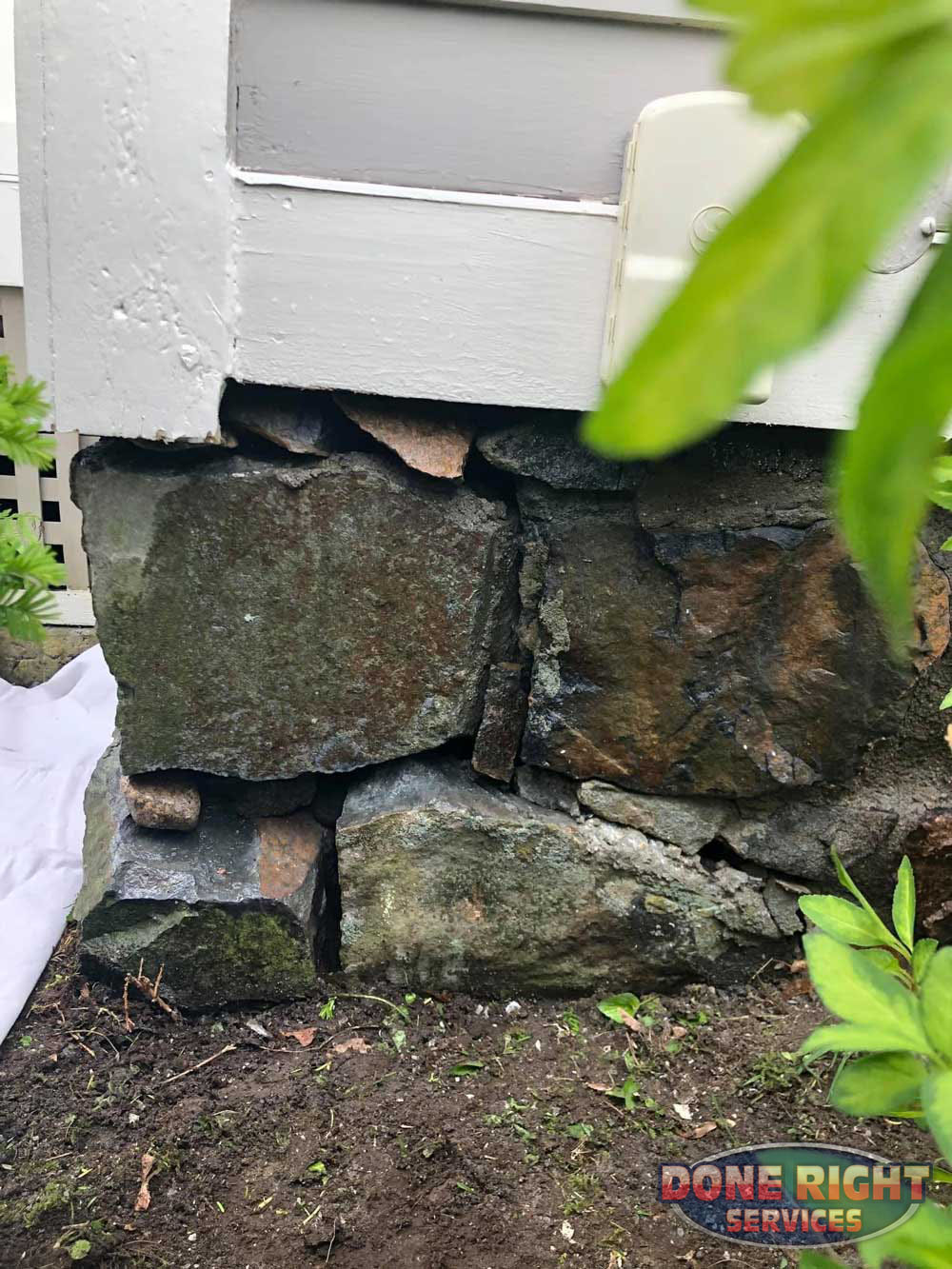
Across the North Shore of Massachusetts, centuries-old homes stand as quiet reminders of the craftsmanship and durability that defined early American construction. From the colonial streets of Danvers, MA, to the rural charm of Topsfield, MA, and the historic neighborhoods of Georgetown, MA, countless properties still rest on original fieldstone foundations that have endured generations of freeze-thaw cycles, moisture, and time. But endurance has its limits. Without proper maintenance and timely stone foundation repointing, even the most solid foundation can begin to fail.
Understanding how to protect these structures the right way is essential for any homeowner in the region.
Why Stone Foundation Repointing Matters for Historic Homes
Stone foundation repointing is the process of removing deteriorated mortar from the joints between stones and replacing it with fresh mortar that restores structural integrity and keeps water out. It sounds straightforward, but in practice it requires a deep understanding of historic masonry materials and techniques. Many older homes in Danvers, MA, Georgetown, MA, and Topsfield, MA were built using lime mortar, a softer and more flexible compound that was standard before Portland cement became widespread in the twentieth century.
When modern Portland cement is used to repoint a historic stone foundation, the consequences can be severe. Portland cement is significantly harder than the surrounding stone, which means it does not flex or breathe the way the original lime mortar did. Instead of absorbing seasonal movement and moisture, the rigid cement forces stress into the stones themselves, causing cracking, spalling, and long-term structural damage. A stone foundation contractor who understands historic preservation will always recommend using a compatible lime-based mortar that works with the existing materials rather than against them.
The stakes are especially high in Massachusetts, where winter temperatures regularly drop below freezing and moisture is a constant concern. Water that penetrates deteriorated joints expands when it freezes, widening cracks and dislodging stones with each passing season. Timely exterior fieldstone repointing is not simply a cosmetic repair; it is a critical investment in the long-term stability of the home.
What to Expect from Exterior Fieldstone Repointing in the North Shore Region
Exterior fieldstone repointing in communities like Danvers, MA, Georgetown, MA, and Topsfield, MA typically begins with a thorough inspection of the entire foundation. A qualified stone foundation contractor will assess the depth and condition of existing mortar joints, identify areas where water infiltration has already occurred, and determine whether any stones have shifted or require resetting before repointing begins.
The preparation phase is critical. Old mortar must be carefully removed to a sufficient depth, usually at least three-quarters of an inch, without damaging the surrounding stonework. This is often done using hand tools rather than angle grinders or other power equipment, particularly on older foundations where the stones themselves may be fragile or irregularly shaped. Rushing this step, or using improper tools, can cause irreversible damage to irreplaceable historic material.
Once the joints are properly prepared and cleaned, the new mortar is applied in layers, carefully tooled to match the original profile as closely as possible. On a historic stone foundation repair project, the goal is not just structural performance but also visual consistency. The finished repointing should blend naturally with the existing stonework, preserving the character and appearance of the original construction. In communities like Topsfield, MA and Georgetown, MA, where historic district guidelines may apply, matching the original mortar appearance is often a requirement as well as a best practice.
Curing time matters as well. Lime mortar repointing requires a slower, more controlled curing process than Portland cement, and the work should be protected from rain and extreme temperatures during the initial curing period. A knowledgeable contractor will account for Massachusetts weather conditions when scheduling and managing the project.
Lime Mortar Repointing: The Gold Standard for Historic Stone Foundations
Lime mortar repointing has been used in masonry construction for thousands of years, and for good reason. Lime-based mortars are breathable, meaning they allow moisture vapor to pass through rather than trapping it within the wall. This is especially important in fieldstone foundations, which are inherently porous and subject to constant moisture exposure from both the soil and the exterior environment.
Beyond breathability, lime mortar is self-healing to a modest degree. Hairline cracks that form over time can partially fill themselves through a process called autogenous healing, where dissolved calcium carbonate is redeposited as the mortar dries. This characteristic extends the lifespan of the repointing work and reduces the frequency of future repairs.
For homeowners in Danvers, MA, Georgetown, MA, and Topsfield, MA, choosing lime mortar repointing over harder cement-based alternatives means protecting not just the foundation itself but also the surrounding stonework. A softer mortar acts as a sacrificial layer, absorbing stress and moisture so that the irreplaceable historic stones do not bear the full burden of environmental forces. When the mortar eventually deteriorates again, as all mortars eventually do, it can be removed and replaced far more easily than cement without damaging the stones.
Working with a stone foundation contractor who specializes in historic masonry and understands the specific properties of lime mortar is essential to getting this right. The chemistry of the mortar mix, the moisture content during application, and the curing conditions all influence the final result. There is no one-size-fits-all approach, and experience matters enormously.
Choosing the Right Stone Foundation Contractor in Danvers, Georgetown & Topsfield
Not every masonry contractor is qualified to handle historic stone foundation repair. Homeowners in Danvers, MA, Georgetown, MA, and Topsfield, MA should look for contractors with demonstrated experience in historic preservation masonry, a commitment to using appropriate lime-based materials, and a clear understanding of how to work with irregular fieldstone construction.
Ask to see examples of completed exterior fieldstone repointing projects, and request references from previous clients in the area. A reputable contractor should be able to explain their material choices and application methods in detail, and should be willing to provide a written assessment of the foundation’s current condition before any work begins.
It is also worth asking whether the contractor is familiar with local historic district requirements if the property falls within a designated area. In communities like Topsfield, MA and Georgetown, MA, where historic preservation is taken seriously, working with a contractor who understands those guidelines can save homeowners from costly mistakes and potential compliance issues.
Finally, be cautious of contractors who immediately recommend Portland cement-based mortars without discussing alternatives. On any historic stone foundation built before the mid-twentieth century, lime mortar repointing is almost always the correct choice, and a contractor who does not recognize this may not have the specialized knowledge that the project demands.
Conclusion
Stone foundation repointing is one of the most important maintenance tasks a historic homeowner in Massachusetts can undertake. For properties in Danvers, MA, Georgetown, MA, and Topsfield, MA, the combination of aging lime mortar, harsh winters, and moisture-rich soil makes timely exterior fieldstone repointing a priority rather than an option. By choosing lime mortar repointing and working with a qualified stone foundation contractor who respects the materials and methods of historic masonry, homeowners can protect their foundations for another generation and preserve the architectural character that makes the North Shore such a distinctive place to live.
Need Foundation Repair Services Near You?
Here at Done Right Services, we take pride in being your trusted experts for fieldstone foundation repair across Massachusetts and New Hampshire. With decades of experience, our skilled professionals specialize in repair, re-pointing, restoration, and waterproofing to protect and enhance the integrity of your foundation. Our commitment to excellence is backed by a 30-year guarantee, ensuring you experience unmatched quality and peace of mind. Don’t wait—reach out to us today to discuss your foundation needs and discover why we’re the team you can count on for competence, excellence, and absolute satisfaction. Let us help you get the job done right!