

Stone Foundation Issues Found During Home Inspections in Reading & Bedford: What Buyers Should Know
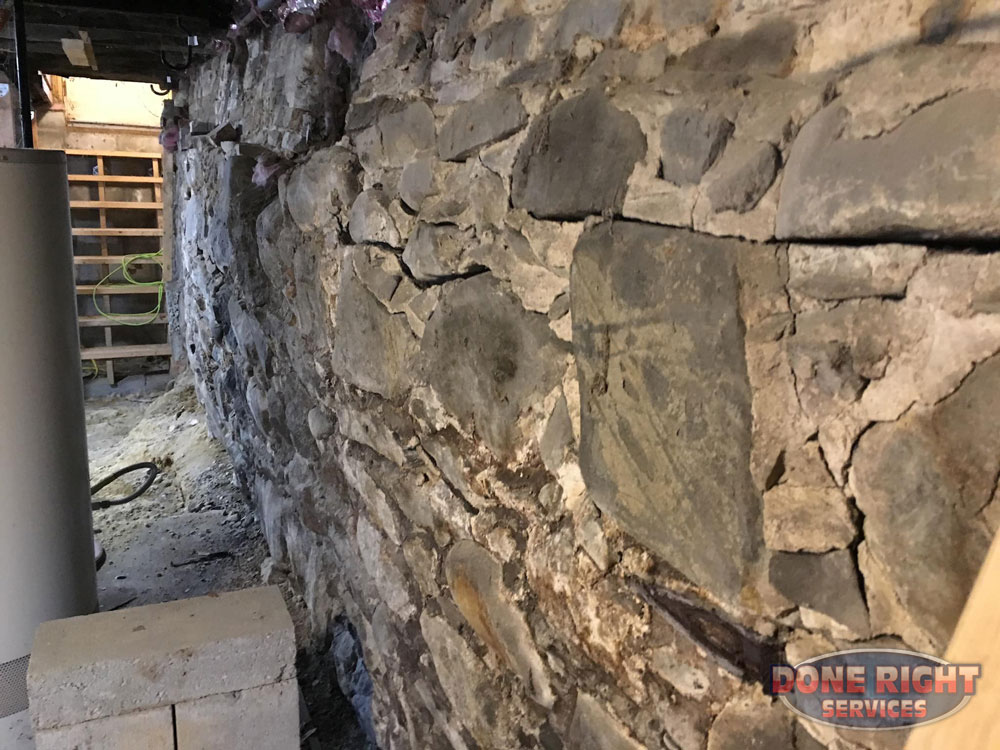
If you are buying an older home in Reading, MA or Bedford, MA, there is a strong chance the property sits on a stone foundation. These foundations, often built from fieldstone or granite blocks, were constructed anywhere from the mid-1800s to the early 1900s. While they have stood the test of time in many cases, they also come with a unique set of challenges that every buyer should understand before closing on a property. Knowing what to look for and when to call foundation inspection specialists can save you from unexpected costs down the road.
What Makes Fieldstone Foundations Different From Modern Foundations
Fieldstone foundation issues are among the most common discoveries during home inspections in older Massachusetts communities. Unlike poured concrete or concrete block foundations, fieldstone foundations were assembled by hand using irregularly shaped stones held together with lime-based mortar. This mortar, over decades of exposure to moisture, freeze-thaw cycles, and settling soil, gradually deteriorates and crumbles.
In towns like Reading and Bedford, the climate puts serious stress on these older structures. Massachusetts winters are harsh, and the repeated freezing and thawing of the ground causes soil to shift around a foundation. Over time, this movement loosens stones, widens joints, and creates gaps that allow water to penetrate the basement. What began as a charming, handcrafted structural element becomes a liability if it is not properly maintained or repaired.
Modern foundations use reinforced concrete designed to flex slightly with ground movement, but fieldstone does not behave the same way. It is rigid, and when pressure builds from one direction, something has to give. That is why foundation problems during home inspections in this region are so frequently tied to older stone construction.
Common Stone Foundation Problems Buyers Encounter
When a home inspector enters a basement with a stone foundation, there are several warning signs they are trained to identify. The most obvious is cracked or missing mortar. Over time, the lime mortar between stones dries out and falls away, leaving open joints where water, insects, and cold air can enter the home. In many cases, homeowners may have attempted repairs over the years using modern Portland cement, which is actually too rigid for fieldstone and can cause surrounding stones to crack under pressure.
Bowing or leaning walls are another serious concern. When soil on the exterior presses against the foundation with enough force, the wall can begin to tilt inward. This is a structural issue that goes beyond cosmetic repair. Buyers who see even a slight inward lean in a stone wall should treat this as a red flag and consult foundation inspection specialists before proceeding.
Water infiltration is perhaps the most widespread issue tied to fieldstone foundations in Reading and Bedford. Because the mortar is porous and often degraded, moisture finds its way through the walls with ease. Evidence of water damage includes white mineral deposits (known as efflorescence) on the stone surface, rust stains from embedded metal, peeling paint, mold growth, and standing water or persistent dampness on the basement floor. A wet basement is not just a comfort issue; it signals that the foundation’s integrity may be compromised over time.
Settlement and displacement of individual stones is also something inspectors watch for closely. When stones shift out of alignment or drop from their original position, the load-bearing capacity of that section of wall is reduced. Left unaddressed, this can affect the structural performance of the floors and walls above.
How Foundation Problems Are Assessed During a Home Inspection
A standard home inspection includes a visual assessment of the foundation, but it has limitations. Inspectors document what they can see, but they cannot see behind finished walls, under concrete slab floors, or beneath exterior landscaping. This means that the full extent of stone foundation repair needs may not be revealed during a general inspection.
If the general inspector flags concerns, the next step is typically to hire foundation inspection specialists for a more thorough evaluation. In Massachusetts, these specialists can assess mortar condition, measure wall movement using monitoring devices, test for moisture levels, and evaluate drainage patterns around the exterior of the home. This deeper inspection gives buyers the clearest picture of what they are actually dealing with.
Buyers in Reading, MA and Bedford, MA should not be discouraged simply because an inspector identifies stone foundation issues. Many of these problems are manageable with the right contractor and the right approach. What matters is understanding the scope of the work and negotiating accordingly before the sale closes.
Understanding the Cost to Repair Stone Foundation Cracks and Other Issues
When it comes to the cost to repair stone foundation cracks and related problems, the range can be wide depending on severity. Minor repointing work, which involves removing deteriorated mortar and replacing it with a flexible, breathable lime-based mortar, is relatively affordable and can often be done in a single visit by a skilled mason. This type of work is considered routine maintenance for older Massachusetts homes and should not be a deal-breaker on its own.
More significant issues drive costs higher. If a wall is bowing or sections of the foundation are actively shifting, stabilization measures may be required. This can involve installing wall anchors, carbon fiber straps, or in some cases, underpinning the existing foundation with concrete piers. When major structural repairs are needed, costs can move into the tens of thousands of dollars, and the buyer should factor this into their offer or request a seller credit before closing.
Water management is another layer of cost to consider. Addressing the symptom (a wet basement) without addressing the cause (degraded mortar and poor drainage) will only lead to recurring problems. A comprehensive stone foundation repair plan often includes exterior waterproofing, improved grading around the home, installation of drainage tile, and interior moisture barriers. Each of these components adds to the overall investment.
For buyers in Reading and Bedford, it is worth knowing that some older homes have already had partial foundation work done by previous owners. In those cases, the key question is whether the repairs were done correctly and with appropriate materials. Improper repairs using rigid cement can accelerate deterioration and actually create more damage over time, which is something foundation inspection specialists can help identify.
Working With the Right Professionals in Massachusetts
Navigating stone foundation issues requires working with people who understand historic construction. Not every contractor has experience with fieldstone, and hiring someone unfamiliar with the material can lead to repairs that look fine on the surface but cause problems later. In Massachusetts, it is worth seeking out masons and structural engineers who specialize in older homes and have a track record with fieldstone foundation issues specifically.
Before hiring anyone, ask for references from similar projects, request a written scope of work, and confirm the contractor understands the difference between traditional lime mortar and Portland cement. A contractor who suggests using modern concrete to repoint a fieldstone foundation without any qualification may not have the experience you need.
Real estate attorneys in Massachusetts also recommend that buyers include a foundation inspection contingency in their purchase agreement when buying homes built before 1940. This gives buyers the right to bring in specialists and renegotiate terms based on what they find, without losing their deposit.
Conclusion
Stone foundation issues are a normal part of buying older homes in Reading, MA and Bedford, MA, but they do not have to be a deal-breaker. With the right inspections, an honest assessment of repair costs, and qualified professionals guiding the work, a fieldstone foundation can continue to serve a home reliably for generations. The key is going in with open eyes, asking the right questions, and never skipping the step of consulting foundation inspection specialists when concerns arise.
Need Foundation Repair Services Near You?
Here at Done Right Services, we take pride in being your trusted experts for fieldstone foundation repair across Massachusetts and New Hampshire. With decades of experience, our skilled professionals specialize in repair, re-pointing, restoration, and waterproofing to protect and enhance the integrity of your foundation. Our commitment to excellence is backed by a 30-year guarantee, ensuring you experience unmatched quality and peace of mind. Don’t wait—reach out to us today to discuss your foundation needs and discover why we’re the team you can count on for competence, excellence, and absolute satisfaction. Let us help you get the job done right!