

Common Fieldstone Foundation Problems in Andover, Lexington & Concord (And How to Fix Them Properly)
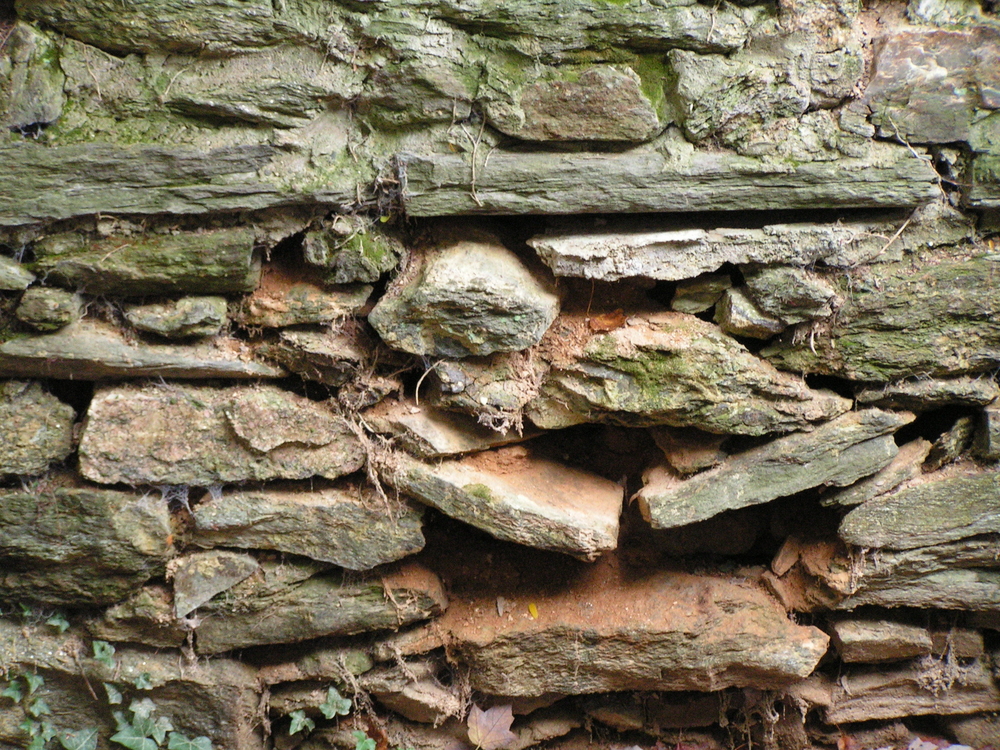
If you own an older home in Andover, Lexington, or Concord, there is a good chance your house is sitting on a fieldstone foundation. These foundations were built by hand, often using stones pulled directly from the land, and they have held up homes for well over a century in many cases. That kind of durability is impressive, but it does not mean these foundations are invincible. Over time, the mortar crumbles, the stones shift, and water finds its way in. Understanding the most common problems and how professionals address them can save you from a much larger and more expensive headache down the road.
This guide walks through the issues that homeowners across Massachusetts most frequently encounter with their fieldstone foundations, and what proper fieldstone foundation repair actually looks like when done right.
1. Crumbling and Deteriorating Mortar
The mortar holding your fieldstone foundation together is almost always the first thing to go. In older homes, that mortar was often made from lime, sand, and sometimes ash or clay. It was a soft, flexible mix that worked well for its time, but it was never meant to last forever. Decades of freeze-thaw cycles in a Massachusetts winter will crack and erode even the toughest mortar joints.
When mortar starts to crumble, the stones begin to lose their structural connection to one another. What was once a solid wall starts to behave more like a loose pile of rocks. Water infiltration accelerates the damage, and before long, you are looking at sections of wall that are structurally compromised.
The fix for this is called repointing, and it involves carefully removing the deteriorated mortar and packing in new material. The key word here is “carefully.” Many contractors make the mistake of using modern Portland cement-based mortars on fieldstone foundations. Portland cement is much harder than the original lime mortar, and that hardness causes it to crack the stones themselves over time rather than flex with the natural movement of the foundation. A qualified mason working on stone foundation maintenance in Lexington, MA or neighboring towns will always use a lime-based mortar that matches the flexibility of the original construction.
2. Bowing or Leaning Foundation Walls
A fieldstone wall that begins to bow inward or lean is a serious structural warning sign that should never be ignored. This typically happens when soil pressure from outside builds up over time, especially when drainage issues allow water to saturate the ground right up against the foundation. The weight of that saturated soil pushes against the wall, and without proper reinforcement, the wall slowly gives way.
You might notice this as a visible curve in the wall when viewed from inside the basement, or as gaps forming between the foundation and the sill plate above it. In some cases, floors on the first level begin to feel soft or uneven, which is a sign that the foundation below is no longer doing its job properly.
Addressing bowing walls usually requires a combination of excavation on the exterior, drainage correction, and in some cases, the installation of steel reinforcement or carbon fiber straps to stabilize the wall and prevent further movement. This is not a DIY project. A licensed structural engineer should assess the severity before any work begins. Homeowners dealing with fieldstone foundation cracks in Concord, MA have often found that bowing walls were the root cause behind what initially looked like minor surface cracking.
3. Water Infiltration and Moisture Damage
Water is the single biggest enemy of any fieldstone foundation, and it shows up in more ways than most homeowners expect. Sometimes it comes through cracks in the mortar. Other times it seeps through the stones themselves, which are porous by nature. In wet seasons, you might see puddles on the basement floor, efflorescence (the white chalky residue left behind by mineral deposits), or dark staining along the base of the walls.
Chronic moisture in a fieldstone basement creates conditions that are ideal for mold growth, wood rot in the floor joists above, and ongoing deterioration of the foundation itself. Over time, it can undermine the structural integrity of the entire wall system.
Proper waterproofing for a fieldstone foundation is not as simple as painting on a waterproof coating. In fact, applying a rigid waterproof membrane directly to fieldstone can trap moisture inside the wall and make things significantly worse. The correct approach depends on where the water is coming from. Exterior drainage corrections, grading adjustments, and the installation of a drainage mat or French drain system around the perimeter of the foundation are often the most effective long-term solutions. On the interior side, a drainage channel and sump pump system can manage water that does find its way in. A qualified contractor performing a stone foundation inspection in Massachusetts will identify the source of infiltration before recommending any specific repair method.
4. Settlement and Uneven Bearing
Fieldstone foundations were not engineered with the precision of modern concrete systems. The stones were laid by hand, often without footings that extend below the frost line, and the soil conditions beneath them have changed significantly over a century or more of freeze-thaw cycles, tree root activity, and moisture fluctuation. Settlement is a natural result of all of this.
When a fieldstone foundation settles unevenly, parts of the house begin to sag or shift. You might notice sticking doors and windows, cracks in the plaster or drywall inside the home, or visible gaps between the foundation wall and the wooden framing above it. Chimneys can start to separate from the main structure. Floors develop a noticeable slope.
Addressing settlement in a fieldstone foundation often involves underpinning, a process where new support is added beneath the existing foundation to transfer the load to more stable soil. This can be done using helical piers or push piers that are driven deep into the ground to reach bearing soil well below the frost line. In less severe cases, shimming and sistering the floor joists can address the symptoms while the underlying foundation is stabilized. Homeowners seeking fieldstone foundation repair in Andover, MA have found that getting a thorough structural assessment early is the most cost-effective path forward.
5. Stone Displacement and Wall Collapse Risk
Occasionally, individual stones work their way loose from the wall entirely. This can happen because of mortar failure, frost heave, or because the original construction was not particularly well executed to begin with. A loose stone is more than just a cosmetic issue. It weakens the surrounding area and can trigger a cascading failure if left unaddressed.
In the most serious cases, entire sections of a fieldstone wall can collapse, particularly if the foundation has been subjected to years of water damage and neglect. This is an emergency situation that requires immediate intervention to protect the structural integrity of the home above.
Resetting displaced stones involves cleaning the cavity, applying fresh mortar, and carefully repositioning the stone so it bears weight properly and ties into the surrounding wall. This sounds straightforward, but it requires an experienced mason who understands how the load paths in a fieldstone wall actually work. Randomly filling gaps with new stones and fresh mortar without understanding the structure can create new problems rather than solving the old ones.
Conclusion
Fieldstone foundations are a remarkable piece of New England building history, and with proper care, they can continue to do their job for generations to come. The homes of Andover, Lexington, and Concord are filled with these structures, and many of them need attention that has been deferred for too long. Whether you are dealing with crumbling mortar, water in the basement, bowing walls, or signs of settlement, the most important step is getting a qualified professional to perform a thorough stone foundation inspection in Massachusetts before conditions get worse.
Acting early almost always costs less than waiting. If you have noticed any of the warning signs described here, reach out to a local foundation specialist with specific experience in historic stone construction. Your home deserves the right repair done the right way.
Need Foundation Repair Services Near You?
Here at Done Right Services, we take pride in being your trusted experts for fieldstone foundation repair across Massachusetts and New Hampshire. With decades of experience, our skilled professionals specialize in repair, re-pointing, restoration, and waterproofing to protect and enhance the integrity of your foundation. Our commitment to excellence is backed by a 30-year guarantee, ensuring you experience unmatched quality and peace of mind. Don’t wait—reach out to us today to discuss your foundation needs and discover why we’re the team you can count on for competence, excellence, and absolute satisfaction. Let us help you get the job done right!