

Why Stone Foundations Leak in Somerville & Medford — And How Professional Waterproofing Solves It
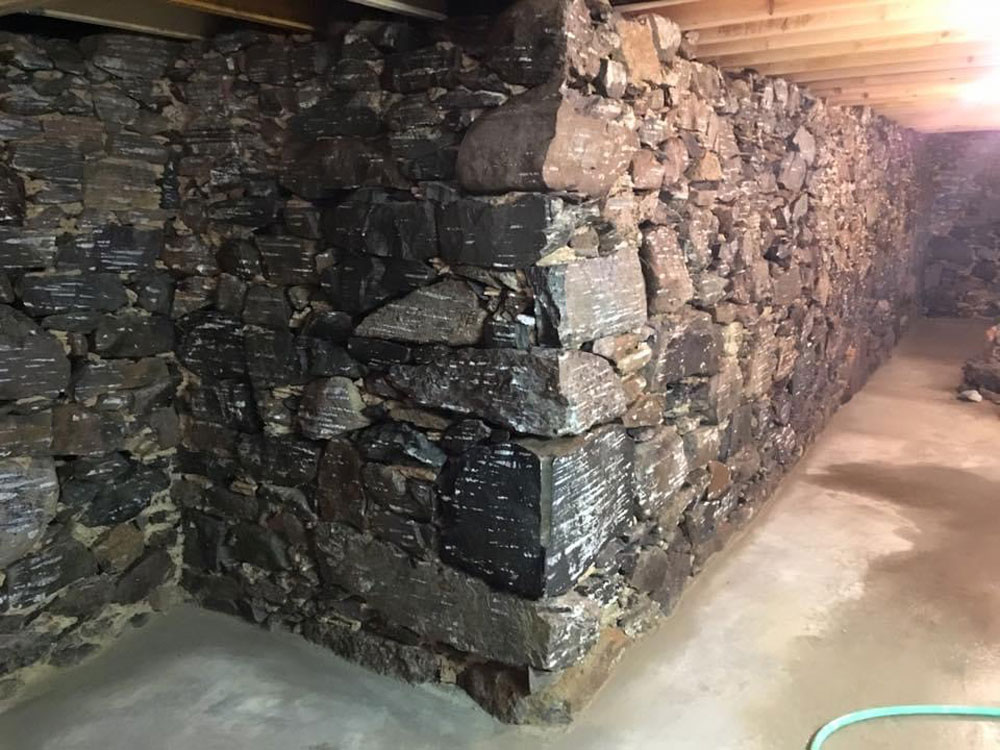
If you own a historic home in Somerville, MA or Medford, MA, you already know that charm comes with responsibility. Those beautiful old houses sitting on fieldstone or rubble stone foundations have survived decades, sometimes more than a century, of New England winters, spring thaws, and relentless moisture. But age catches up with everything, and when it comes to stone foundation waterproofing, ignoring the warning signs can turn a manageable repair into a costly structural crisis.
Understanding why fieldstone basement leaks happen, and how professional waterproofing historic stone foundation systems work, is the first step toward protecting your home for another hundred years.
The Unique Challenges of Historic Stone Foundations in Massachusetts
Somerville and Medford are two of the oldest residential communities in Massachusetts, and a significant portion of their housing stock dates back to the late 1800s and early 1900s. The foundations beneath these homes were built using whatever stone was locally available, typically fieldstone, granite rubble, or brick, held together with lime-based mortar.
Here is the problem: lime mortar was designed to flex. It absorbs movement and moisture as a feature, not a flaw. But after a century of freeze-thaw cycles, hydrostatic pressure, and soil movement, that mortar deteriorates. It crumbles, shrinks, and pulls away from the stone, leaving gaps that water exploits immediately.
Unlike modern poured concrete foundations, historic stone foundations are inherently porous. Water does not just seep through cracks; it migrates through the stone itself, through the mortar joints, and through the countless micro-voids that develop over time. This is what makes foundation moisture repair for older homes so different from newer construction. You are not just patching a crack. You are managing a dynamic, living system that responds to every rain event, snowmelt, and seasonal groundwater shift.
The clay-heavy soils common throughout the Somerville and Medford area make the situation worse. Clay retains water rather than draining it, which means that after a heavy rain, the soil pressed against your foundation can stay saturated for days. That sustained hydrostatic pressure pushes moisture through every available opening, and in a fieldstone foundation, those openings are plentiful.
Why Fieldstone Basement Leaks Are So Common and So Misunderstood
Many homeowners in Somerville and Medford make the same mistake: they see water on the basement floor and assume the problem is a crack they can seal with hydraulic cement or a coat of waterproof paint. These are temporary fixes at best, and at worst, they can trap moisture inside the wall and accelerate the very deterioration they were meant to stop.
Fieldstone basement leaks are not surface problems. They are systemic. Water is entering through degraded mortar joints, through the stone itself, through the cove joint where the wall meets the floor, and sometimes through the floor slab if one exists. Applying a surface sealant to the inside of a leaking fieldstone wall is like putting a bandage over a pipe that is still under pressure. It holds for a while, and then the pressure finds a new path.
This is especially common in the dense, older neighborhoods of Somerville, where homes sit close together and grading issues are frequent. When neighboring lots, sidewalks, and driveways all direct water toward your foundation, the pressure on those old stone walls is relentless. Professional foundation moisture repair accounts for all of these contributing factors, not just the visible symptoms.
There is also the issue of efflorescence, that white powdery residue that appears on stone and mortar surfaces. Many homeowners brush it off as a cosmetic issue, but efflorescence is actually a sign that water is actively moving through your foundation, dissolving minerals and depositing them on the surface as it evaporates. If you see it, water is already working inside your walls.
What Professional Waterproofing Historic Stone Foundation Systems Actually Involve
Waterproofing a historic stone foundation in Somerville, MA or Medford, MA is not a one-size-fits-all process. A qualified contractor will assess the specific conditions of your foundation before recommending a course of action, and that assessment makes all the difference.
Repointing is almost always part of the equation. Repointing and waterproofing services go hand in hand because no drainage system or membrane will perform well if the mortar joints are still crumbling. Repointing involves carefully removing deteriorated mortar to a safe depth and replacing it with a compatible material. For historic stone foundations, this typically means using a lime-based or NHL (natural hydraulic lime) mortar that matches the original composition. Using a modern Portland cement mortar on an old fieldstone wall can actually cause damage because Portland cement is too rigid and can crack the stone itself.
Once the mortar joints are addressed, the waterproofing strategy depends on whether the approach will be interior, exterior, or a combination of both. Exterior waterproofing is the most comprehensive solution. It involves excavating around the foundation, cleaning the stone surface, applying a waterproof membrane or coating, and installing a drainage board and footer drain that redirects water away before it can build up against the wall. In the tight lots and urban streetscapes of Somerville and Medford, full exterior excavation is not always practical, which is where interior waterproofing systems become essential.
Interior systems typically involve installing a perimeter drainage channel at the base of the foundation wall, connecting it to a sump pump, and in some cases applying a vapor barrier or interior wall membrane. This does not stop water from entering the stone wall, but it manages and redirects that water before it can damage your basement or compromise the structural integrity of the foundation. When combined with proper repointing and waterproofing services, an interior drainage system provides reliable, long-term protection even in challenging conditions.
Crack injection, where applicable, and the installation of window well drains and proper grading corrections often round out a complete stone foundation waterproofing plan.
How to Choose the Right Contractor for Stone Foundation Waterproofing in Somerville and Medford
Not every waterproofing contractor understands historic masonry. This is one of the most important distinctions to make when you are looking at waterproofing your fieldstone or rubble stone foundation. A contractor who primarily works with modern poured concrete foundations may not appreciate the structural and material differences that come with a 100-year-old stone wall.
When evaluating contractors for stone foundation waterproofing in Somerville, MA or Medford, MA, ask specifically about their experience with historic foundations and lime mortar systems. Ask whether they perform repointing and waterproofing services as part of an integrated approach, or whether they outsource masonry work separately. Ask for references from similar historic properties in Massachusetts, and ask whether their solutions address both the symptoms and the source of moisture intrusion.
A good contractor will also be transparent about what their system can and cannot do. No interior waterproofing system eliminates moisture from entering a stone wall. What it does is manage that moisture so effectively that your basement stays dry and your foundation stays stable. Understanding that distinction will help you have a more productive conversation and set realistic expectations.
Look for contractors who are familiar with the permitting requirements and soil conditions specific to the Somerville and Medford area, and who have a track record of working on the kinds of dense residential lots that define both communities.
Conclusion
Stone foundations are a defining feature of historic homes in Somerville and Medford, but they require specialized care that goes well beyond standard waterproofing approaches. From deteriorated mortar joints to clay soil pressure to the unique porosity of fieldstone, the causes of foundation moisture in these communities are specific, and so are the solutions. By investing in professional stone foundation waterproofing that includes proper repointing and waterproofing services, you are not just fixing a wet basement. You are preserving the structural integrity and long-term value of a home that has already stood the test of time.
Need Foundation Repair Services Near You?
Here at Done Right Services, we take pride in being your trusted experts for fieldstone foundation repair across Massachusetts and New Hampshire. With decades of experience, our skilled professionals specialize in repair, re-pointing, restoration, and waterproofing to protect and enhance the integrity of your foundation. Our commitment to excellence is backed by a 30-year guarantee, ensuring you experience unmatched quality and peace of mind. Don’t wait—reach out to us today to discuss your foundation needs and discover why we’re the team you can count on for competence, excellence, and absolute satisfaction. Let us help you get the job done right!