

How New England Winters Impact Stone Foundations in Burlington & Tewksbury
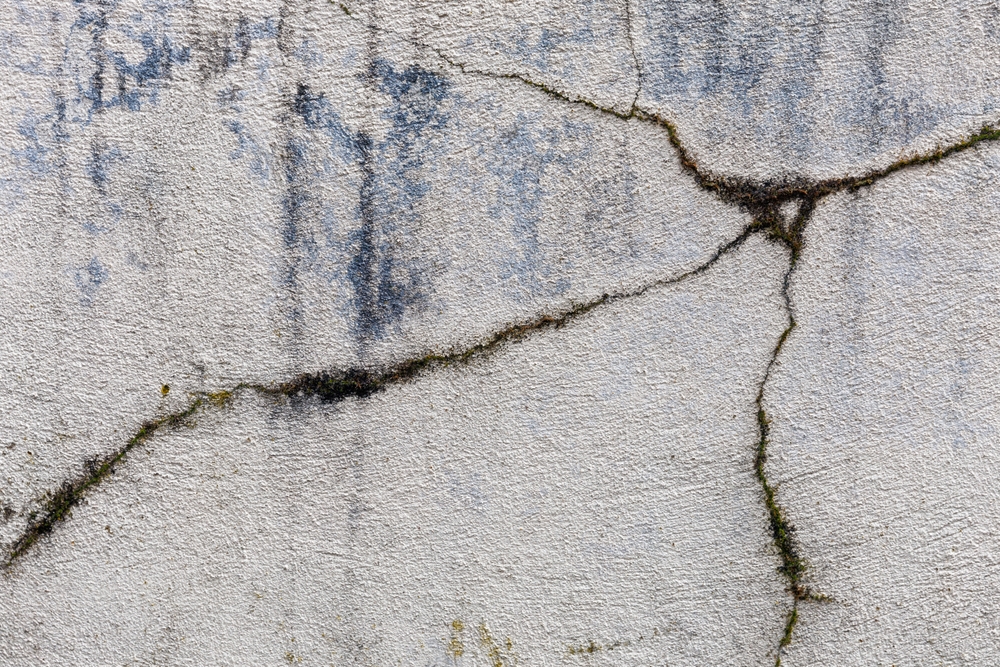
If you own an older home in Burlington, MA or Tewksbury, MA, chances are your house is sitting on a stone foundation that has been quietly enduring decades of harsh New England winters. These foundations, often built from fieldstone or granite more than a century ago, were constructed with remarkable craftsmanship. However, even the most solid masonry is no match for the relentless punishment of a Massachusetts winter.
Understanding how freeze thaw cycles and cold-weather moisture affect your foundation is the first step toward protecting one of your home’s most critical structural elements.
What Makes New England Winters So Damaging to Stone Foundations
New England winters are notoriously brutal, and Burlington and Tewksbury sit squarely in a climate zone where temperatures regularly swing from below freezing at night to above freezing during the day. This back-and-forth temperature cycle is the primary culprit behind foundation damage in the region.
Water is the real enemy here. When moisture from rain, snowmelt, or groundwater seeps into the small gaps between stones or into the mortar joints of a stone foundation, it sits there quietly. Once temperatures drop, that water freezes and expands by roughly nine percent in volume. That expansion exerts tremendous pressure on the surrounding material, forcing cracks wider, loosening mortar, and shifting stones out of place. When temperatures rise again, the ice melts, the pressure releases, and water seeps even deeper into the now-larger cracks. Then the cycle repeats.
In a single Massachusetts winter, Burlington and Tewksbury homeowners may experience dozens of these freeze thaw cycles. Over the course of several winters, the cumulative damage to a stone foundation can become severe. What starts as a hairline crack in the mortar can evolve into a full-blown structural problem that threatens the stability of the entire home.
Recognizing the Signs of Foundation Damage After Winter
One of the most important things a homeowner can do in the spring is inspect their stone foundation for signs of winter-related damage. In Burlington, MA and Tewksbury, MA, it is common to discover new cracks or worsening existing ones after the ground thaws in late March or April.
There are several warning signs to watch for when assessing your foundation after winter. Cracked or crumbling mortar between stones is one of the earliest indicators that freeze thaw cycles have been at work. You might also notice stones that appear to have shifted or bowed outward, which signals that lateral pressure from frozen soil or water has pushed against the foundation wall. Efflorescence, the white powdery residue that forms on stone or masonry surfaces, is another clue that water has been moving through your foundation.
In older homes across Tewksbury and Burlington, fieldstone crack repair is often needed after just one or two particularly cold winters. Interior signs matter just as much as exterior ones. Water stains on basement walls, damp floors, musty odors, and visible mold growth all suggest that your stone foundation is allowing water infiltration at a level that requires attention. Left unaddressed, this moisture can damage structural wood framing, insulation, and finished living spaces.
Why Older Fieldstone Foundations Are Especially Vulnerable
Most of the stone foundations found in Burlington, MA and Tewksbury, MA date back to the 1800s or early 1900s. These structures were built using fieldstone, which is essentially rounded or irregular stone gathered from local land and assembled without the precision of modern masonry. The mortar used in these original constructions was typically a lime-based mixture, which was softer and more flexible than modern Portland cement-based mortars.
Over time, that original lime mortar has naturally degraded. Even without severe freeze thaw damage, mortar has a lifespan, and in New England’s climate, it wears down faster than in milder regions. When mortar deteriorates, it creates pathways for water to enter the foundation, which then accelerates the freeze thaw damage cycle dramatically.
This is why stone foundation repair in Massachusetts often involves a process called repointing, where the old, degraded mortar is carefully removed and replaced with new mortar that matches the original material’s flexibility. Using the wrong type of mortar during repairs can actually cause more harm than good. If a contractor uses a mortar that is too rigid for a fieldstone foundation, it can cause the stones themselves to crack under the pressure that the mortar would otherwise absorb. Choosing experienced professionals who understand the specific demands of New England masonry is essential for homeowners in Burlington and Tewksbury.
Foundation Maintenance Strategies to Survive Massachusetts Winters
Prevention and proactive maintenance are far less costly than major repairs. There are several foundation maintenance strategies that homeowners in Burlington, MA and Tewksbury, MA should prioritize heading into and coming out of each winter season.
Drainage is arguably the single most important factor. Water that pools near your foundation dramatically increases the risk of freeze thaw damage. Making sure your gutters and downspouts direct water at least six feet away from the foundation is a basic but highly effective step. Grading the soil around your home so that it slopes away from the foundation prevents surface water from draining toward the structure.
Inspecting and sealing visible cracks before winter arrives is another critical step. Small cracks that are addressed in the fall have far less opportunity to worsen during the winter months. A masonry professional can assess whether minor cracks require simple repointing or whether they indicate more significant structural movement that warrants a deeper investigation.
Controlling moisture inside the basement also plays a role in protecting your stone foundation. Running a dehumidifier during humid months reduces the amount of moisture present in the air and in the surrounding soil, which in turn reduces the amount of water available to seep into the foundation during freeze thaw cycles.
Homeowners in Tewksbury and Burlington should also consider having their foundations inspected by a qualified professional every few years, particularly if the home is more than 75 years old. Early detection of mortar degradation, stone displacement, or water infiltration points allows for fieldstone crack repair and other interventions before problems escalate to structural emergencies.
Waterproofing treatments applied to the exterior or interior of the foundation wall can also provide an added layer of protection. While no waterproofing solution is permanent, modern products have improved significantly and can extend the life of a stone foundation by limiting how much water reaches the masonry during winter precipitation and spring snowmelt.
Choosing the Right Contractor for Stone Foundation Repair in Burlington and Tewksbury
Not all masonry contractors are equally equipped to handle the complexities of historic stone foundation repair in New England. In Burlington, MA and Tewksbury, MA, where many homes are over a century old, it is important to hire a contractor with specific experience in working with fieldstone and lime mortar systems.
Ask potential contractors about their approach to mortar matching, their experience with foundation drainage solutions, and whether they are familiar with the freeze thaw dynamics specific to Massachusetts. References from other homeowners in the Burlington or Tewksbury area are particularly valuable because local contractors will have direct experience with the soil conditions, frost depths, and weather patterns unique to the region.
A thorough contractor will assess not just the visible damage but also the underlying causes, looking at drainage patterns, soil conditions, and interior moisture levels before recommending a course of action.
Conclusion
New England winters are relentless, and stone foundations in Burlington, MA and Tewksbury, MA bear the brunt of that reality every year. Freeze thaw cycles, aging mortar, and water infiltration combine to create ongoing challenges for homeowners with older fieldstone structures. With consistent foundation maintenance, timely fieldstone crack repair, and the help of a knowledgeable contractor, you can protect your home’s foundation from the worst that Massachusetts winters have to offer.
Need Foundation Repair Services Near You?
Here at Done Right Services, we take pride in being your trusted experts for fieldstone foundation repair across Massachusetts and New Hampshire. With decades of experience, our skilled professionals specialize in repair, re-pointing, restoration, and waterproofing to protect and enhance the integrity of your foundation. Our commitment to excellence is backed by a 30-year guarantee, ensuring you experience unmatched quality and peace of mind. Don’t wait—reach out to us today to discuss your foundation needs and discover why we’re the team you can count on for competence, excellence, and absolute satisfaction. Let us help you get the job done right!